
Exercise
Adjusting the exercise load to manage musculoskeletal pain syndrome
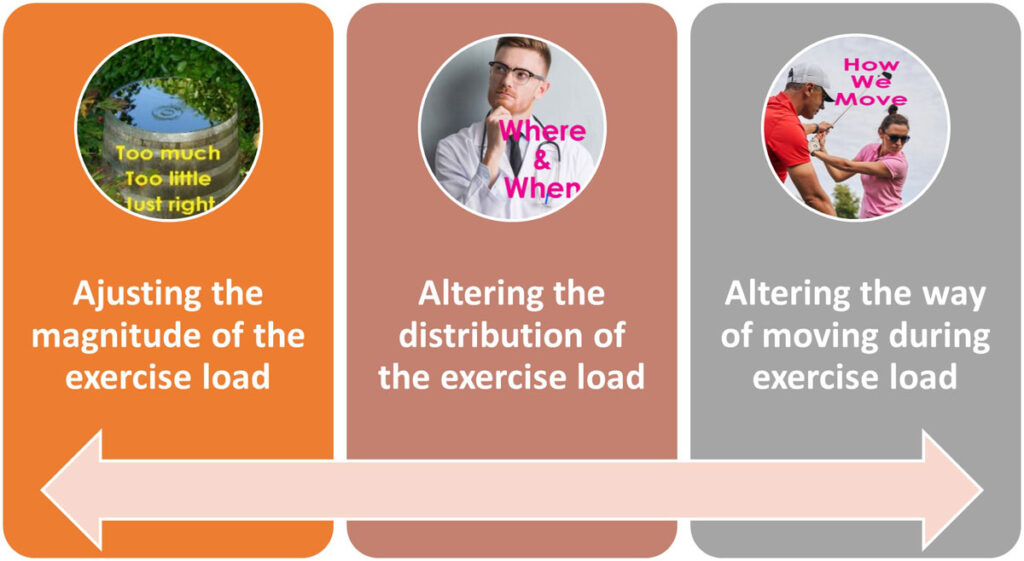
Adjusting the amount of exercise load involves seeking a balance between increasing or decreasing the load. Athletes and healthy individuals the bias is towards increasing the load to improve capacity and performance. For musculoskeletal injuries, post-orthopedic surgery, or musculoskeletal pain syndromes, the bias is towards decreasing the load to facilitate healing and recovery. Tactics to…
Read MoreAdjusting exercise load to optimize capacity performance
When it comes to adjusting exercise loads to optimize performance capacity it necessitates both art and science. “Load management” in athletics and sports is a popular strategy to control the training volume, intensity, and rest to optimize performance while minimizing the risk of injury. To improve performance or capacity, the exercise/load must exceed the individual’s…
Read MoreHow does the natural progression of osteoarthritis influence the management of osteoarthritic flares?

Case Example: Over the last year, on several occasions, a patient has sought assistance for recurring flaring neck pain. Radiographs show moderate osteoarthritic (OA) changes in the cervical spine. A history of mild to moderate scoliosis of the spine has existed since childhood. Over the years, the neck pain has alternated from long periods of…
Read MorePain – What does it feel like? How this information can guide intervention
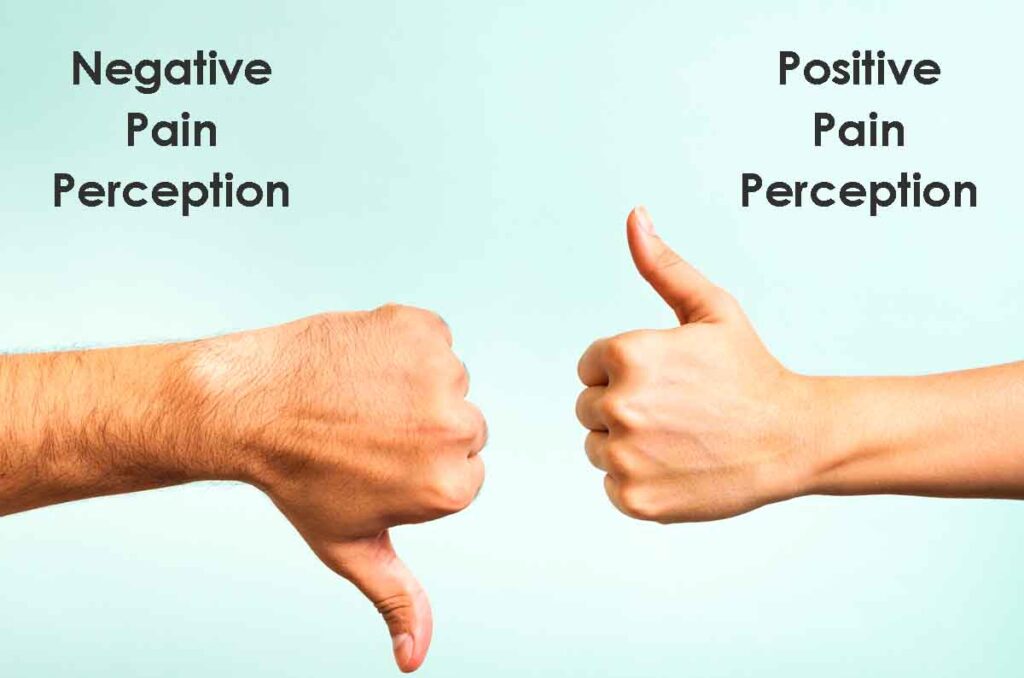
When describing your pain details can include location, type, severity/intensity, frequency, duration, triggers, and impact on life. When describing the location of the pain it may not be accurate. Pain can be perceived in an area that is distant from the tissue source of the pain. This is described as referred pain, when the pain…
Read MoreMovement-evoked pain measurement for adjustment of interventions for chronic musculoskeletal pain syndromes
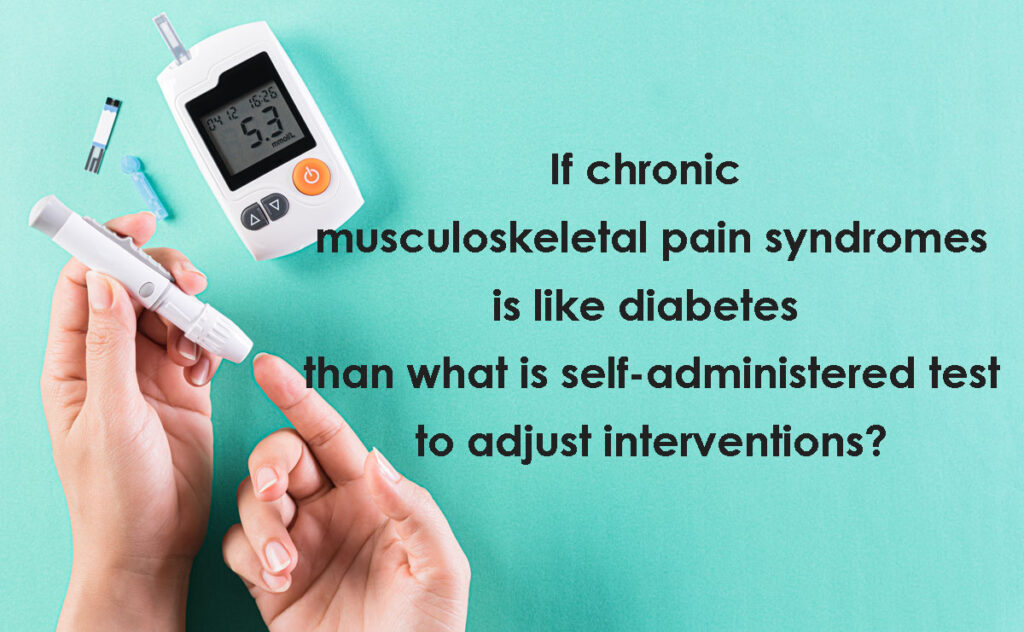
If chronic musculoskeletal pain syndrome is like diabetes, then what is a self-administered test to adjust interventions? A thought-provoking article by Jermey Lewis and Peter O’Sullivan suggests “Is it time to reframe how we care for people with non-traumatic musculoskeletal pain” they suggest we have a lot to learn from how other chronic medical and…
Read MoreHormone replacement therapy tendon repair post-menopause
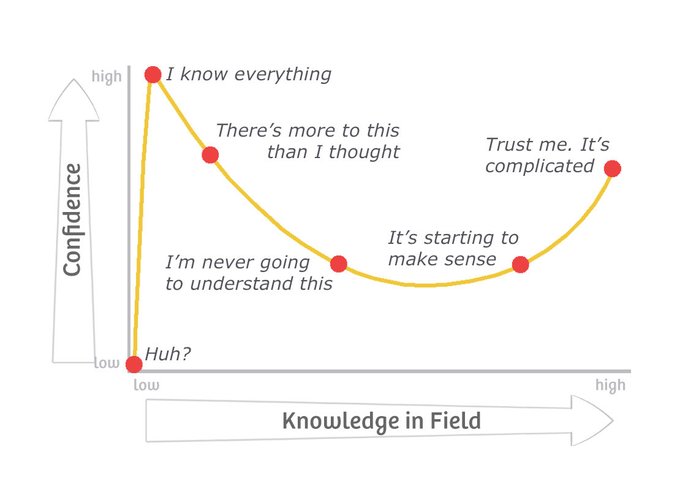
The Dunning-Kruger effect is a cognitive bias in which individuals with limited competence in a particular domain overestimate their abilities. It is when we lack competence that we are most likely to be brimming with overconfidence. The following is a description of how it applies to me. I know everything Early in my career as…
Read MoreMom’s words of wisdom make sense

Mother’s Day is a fun time to review some old wives’ tales that abound in the health and wellness arena. My mom used to say, “the difference between a man and a boy is that a man walks around a puddle and a boy plods right through them.” At the beginning of a walk or…
Read MoreDeviant movement resulting in pain – Excessive Toe Out Gait
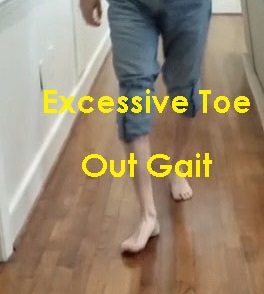
Asymmetrical movements walking or running are considered deviant or less than optimal movements. The individual in the video below is complaining of musculoskeletal pain in the left lower extremity. What do you see? Do you see the asymmetrical movement? Do you see the right foot is pointing straight ahead, and the left foot is not…
Read MoreIntellectual humility and tolerance for ambiguity
When dealing with musculoskeletal pain syndromes uncertainty and ambiguity can cause unease and frustration for both patients and clinicians. The goal is to stamp out uncertainty, but not to stamp out ambiguity. Ambiguity may contain uncertainty. But they are different. Uncertainty is something that is not clearly or precisely determined, something unknown. Uncertainty implies that…
Read MoreSteps to manage first step pain
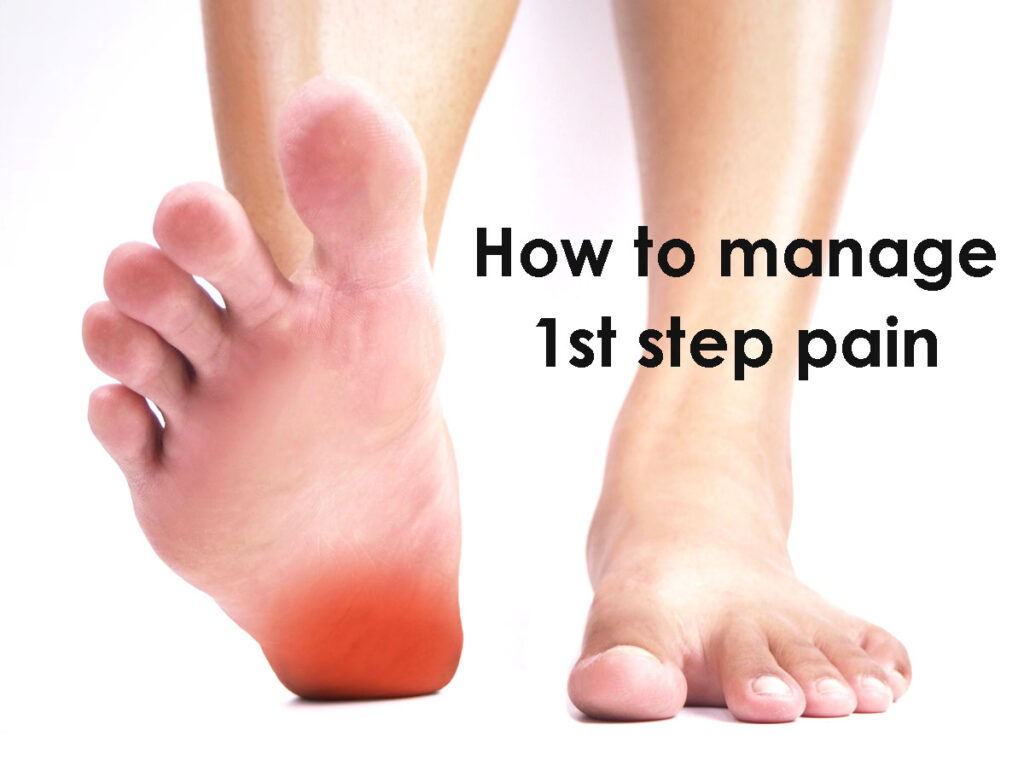
A definitive symptom of plantar heel pain is “first-step pain” First-step pain is felt on the first step out of bed in the morning or after other periods of inactivity such as sitting in meetings or long car drives. The following are simple steps to manage the 1st step pain: Purposeful pandiculation for pain plantar…
Read More