Search results for: Pain movement
Plantar fasciitis v tendinopathy words matter – stretching exercises are overrated
Why is the plantar region the only region of the body where the terminology of fasciitis is used? Fascial tissue is present throughout the body including the ankle, knee, hip, back, and abdominal regions of the body. Yet, we do not use the term knee fasciitis or back lumbar fasciitis. We know that stretching exercises…
Read MoreWalk this way – Run this way
What way should we walk? What way should we run? Mel Brooks and Gene Wilder wrote the script for the movie “Young Frankenstein” in which the character Igor the hunchback shows Dr. Frankenstein “this way”, and hands him his cane, expecting Dr. Frankenstein to mimic his hunched, contorted shuffle, which Dr. Frankenstein cordially does. This…
Read MoreHow 2D video motion analysis facilitates problem solving, reflective learning, & identification of novel interventions
The referral of this gentleman in the video below was for an exercise program for chronic right knee pain. The patient and the referring Physician Assistant expressed expectations that an exercise program would help decrease his pain so he could return to playing recreational basketball. There is ongoing controversy about whether high-intensity quadriceps strengthening exercises…
Read MoreCatch 22 – Underutilization of 2D Slow-Motion Video Analysis

Why is there low utilization of 2D slow motion video analysis of movement by Physical Therapists? There are many advantages for using 2D slow-motion video analysis for management of movement disorders including increased accuracy of diagnosing movement impairments; improved communication with patients and healthcare team; increased engagement of the patient; and improved understanding of movement…
Read MoreHome based Physical Therapy Services – unique benefits of observing real-world issues

Traditionally physical therapy services provided at a person’s home occurs when the individual was “homebound.” According to Medicare regulations homebound is the patient requires assistance to leave home and that when they do, it requires a considerable, tasking effort. This is no longer the case. You do not need to be considered home-bound to receive…
Read MoreWhole vs part method of learning to walk/run a new way: deviant to less deviant
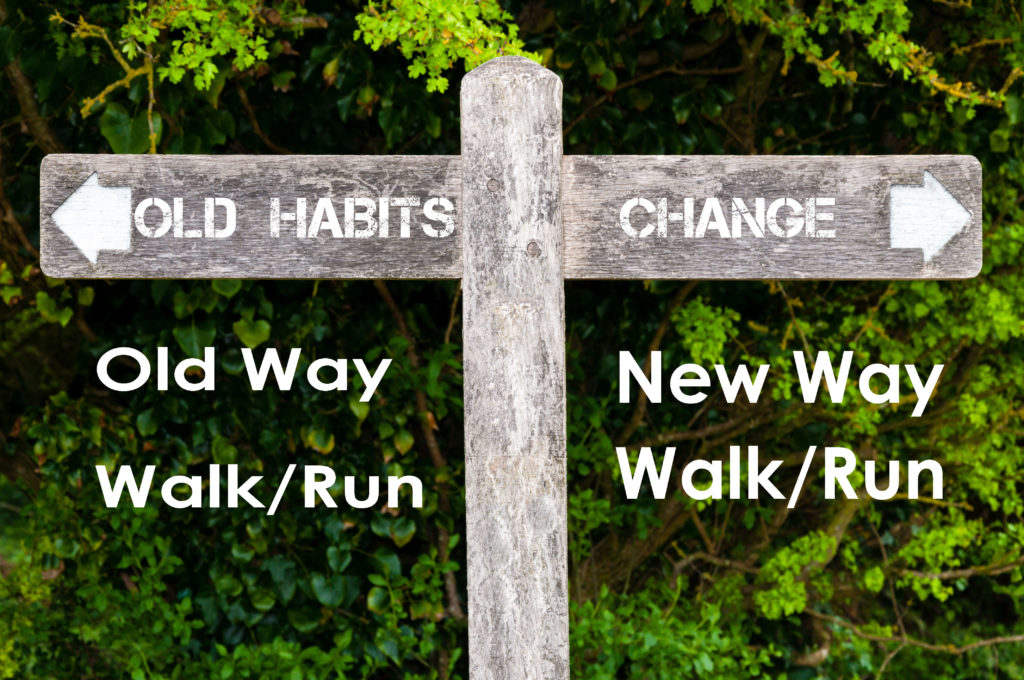
When learning a new physical skill an individual, therapist, or coach can choose to practice a new skill in whole or part. Motor skills learning can be practicing the whole movement or part of the movement. In whole practice acquiring a skill is by practicing the movement in its entirety, whereas the part that practices…
Read MoreDiagnostic imaging pros & cons – be careful what you ask for

There are many reasons to request a diagnostic image such as a radiograph (X-ray), MRI, sonogram (ultrasound), and CT scan. They are to diagnosis a pathology/trauma; determine treatment options; screen for contraindications; biomechanical analysis; provide reassurance; medical legal reasons; and financial gain for the healthcare provider. Requests for diagnostic imaging must come from a licensed…
Read MoreGait deviations clustering gait deviations – injury – new data
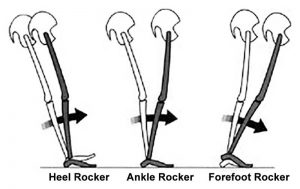
In a previous blog article, I discussed the question “Is there a gait deviation or cluster of gait deviations which is common across musculoskeletal pain syndromes?” The consensus is currently there is no definitive evidence suggesting one gait deviation or cluster of gait deviations occurs more frequently or is more important than another. More research…
Read MoreDownhill running – up does not equal down

Running uphill does not equal downhill running. The faster speed of running downhill does not equal the slower speed of running uphill. The rule of thumb expressed in Jack Daniels’ Running Formula the classic book by running guru Jack Daniels, states that every percent gradient of uphill will slow you by 12 to 15 seconds…
Read MorePotential Prevention Strategy for Exercise Associated Muscle Cramps
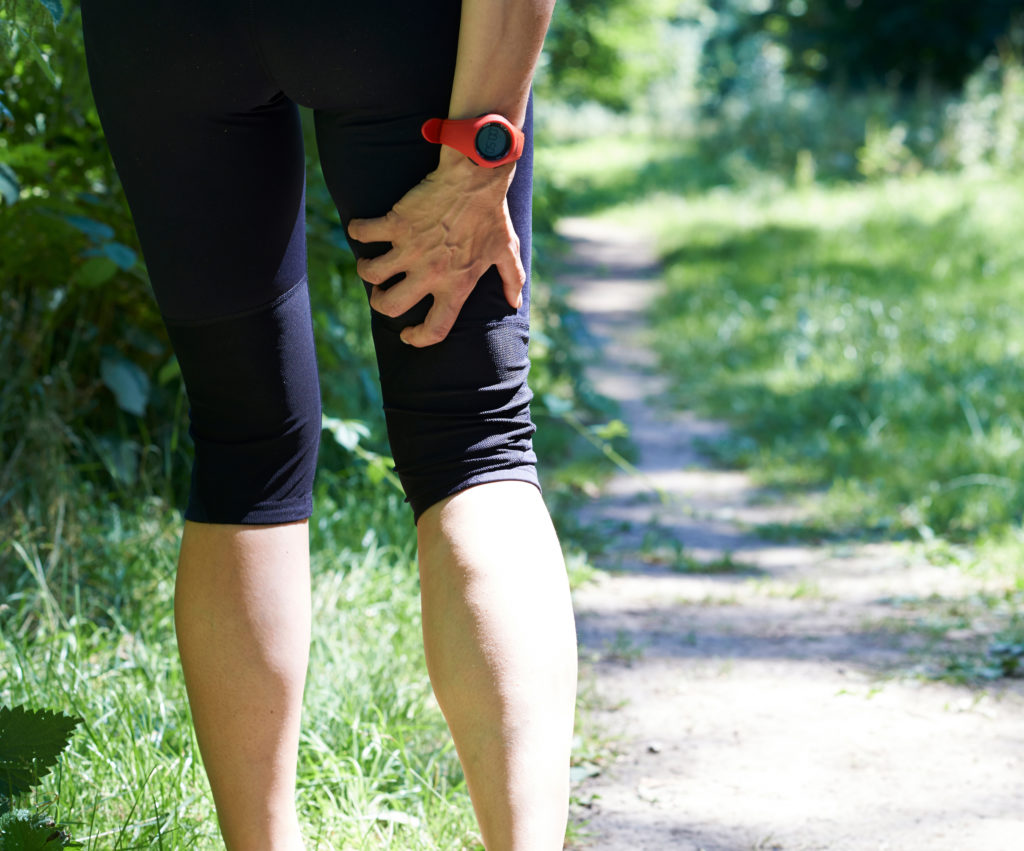
Exercise associated muscle cramp (EAMC) is a painful, spasmodic, and involuntary contraction of muscle that occurs during or immediately after exercise. The exact mechanism or cause of EAMC still remains unclear. There is a consensus the first aid treatment of EAMC is to stretch the affected muscle. However, Coppin and colleagues conclude that regular stretching…
Read More