
Posts Tagged ‘Gait Training’
Slow motion video (Smart Phone) analysis is under-utilized, & under-valued
Being an old Physical Therapist I have had the good fortune of being around to observe significant changes and advances in the technology available to perform motion analysis. When I began analyzing the gait of runners many years ago, I used analog video cameras which required large VHS tapes and separate VCR playback units. The…
Read MoreThat’s a Stretch: Why Stretching May Not Always be the Solution
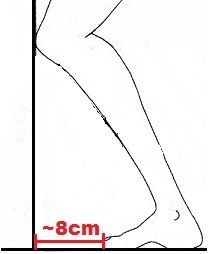
It’s good to stretch a dollar. It’s bad to stretch the truth. But what about stretching your calves? That might depend on whether you believe Dr. Google every time a search result says to stretch sore calves. Calf stretching aims to increase the range of motion (ROM) for ankle dorsiflexion. “Dorsi” is a prefix meaning…
Read MoreKeeping the Spring in Your Step: Ankle Joint Power & Aging

http://bit.ly/DAMIEN25 As we amass more birthdays and get older we tend to walk/run slower, take shorter steps, and fewer per minute. Why do we seem to have less spring in our step the older we get? Kids move fast and crash elderly move slow and crash. One factor is kids have good ankle power elderly…
Read MoreCuing to Alter Gait Deviation of Too Long a Step
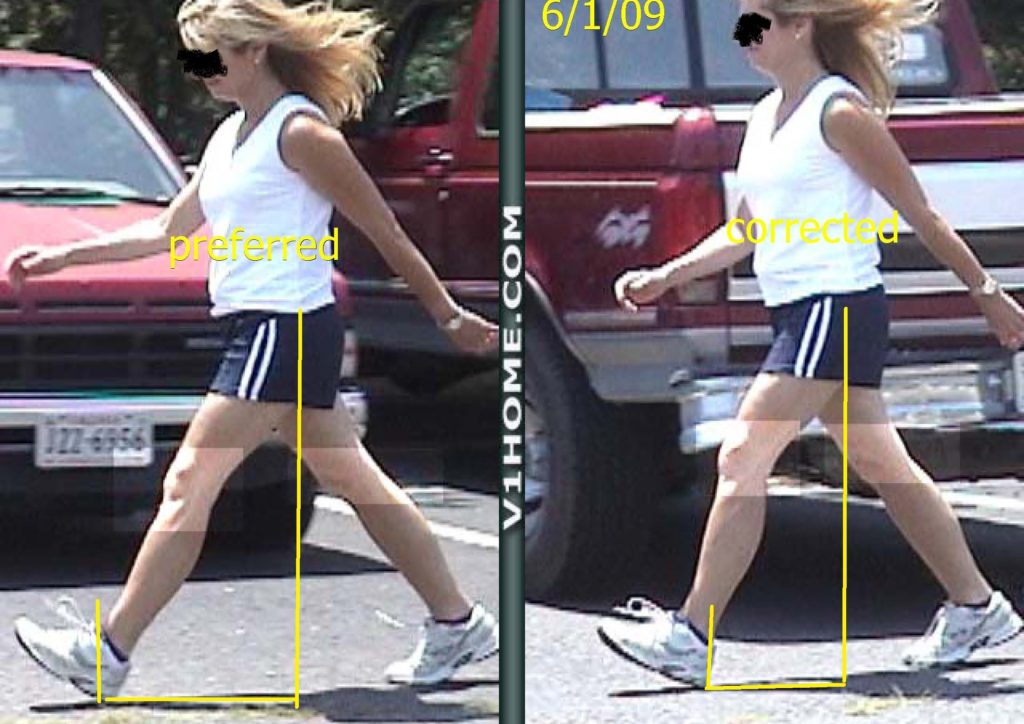
Cuing to Alter Gait Deviation of Too Long a Step Mathematics helps explain walking or running faster. Step length X steps per minute = speed. In order to move faster there are 3 opportunities take longer steps or strides, increase the steps/minute (cadence), or do both longer steps and a faster cadence. Taking longer steps/stride…
Read MoreKnee Pain Wringing Out – Gait Deviation
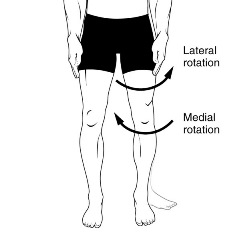
Knee pain can develop because of a “wringing out”. I am not referring to banging a bell ring, but the counter-rotation motion that can occur at the knee joint. The knee joint consisting of the thigh and lower leg moves on three different planes of motion. The knee can flex and extend. The knee can…
Read MoreGait Analysis – Gait Training for Achilles Tendon Pain
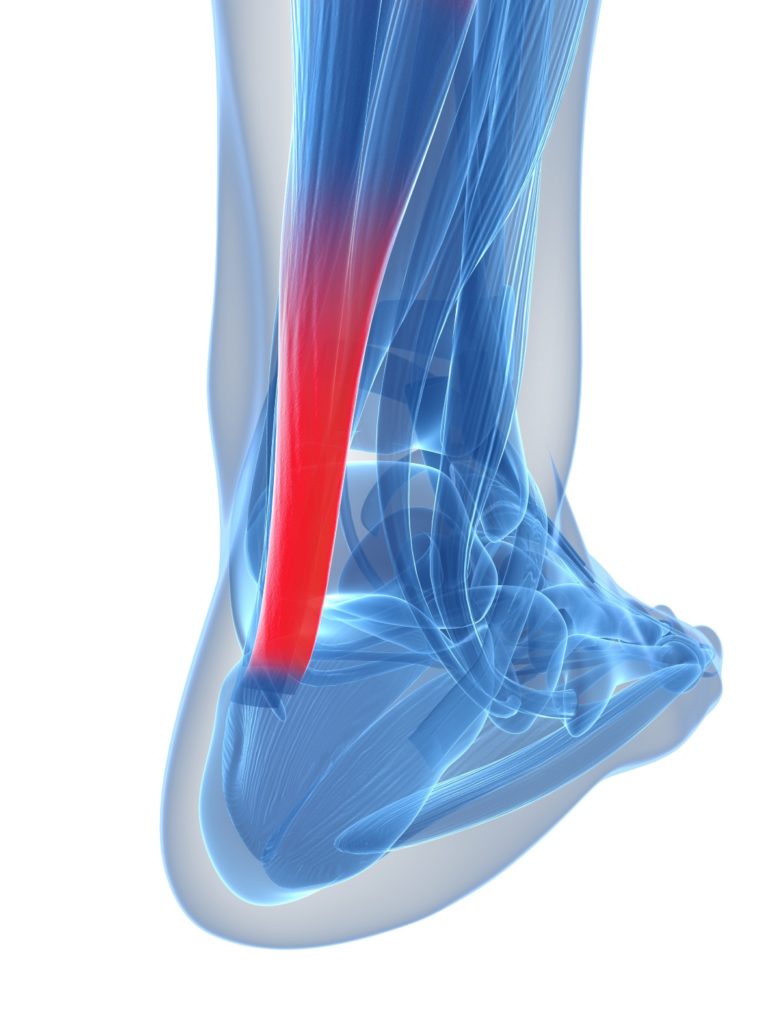
The manner you walk or run can be one of the contributing factors to the development of Achilles tendon problems. If you are experiencing pain in the Achilles when walking or running working with your Physical Therapists and using slow motion video analysis the following model can provide a beginning point to solve the problem.…
Read MoreGait Analysis – Examination and Treatment of Shin Splints
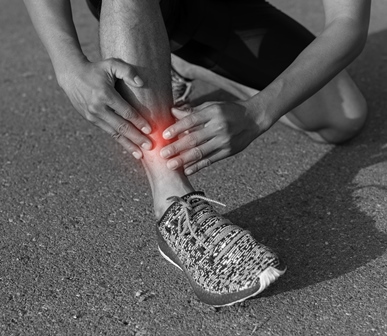
The manner in which you walk or run can be a factor contributing to a repetitive use injury of the lower extremity. Pain in the lower leg, commonly called shin splints, occurs in response to a variety of activities including dancing, jumping rope, walking, and running. Novice runners and individuals with poor fitness level frequently…
Read MoreRecovering from lower leg, ankle, heel injury using treadmill

A basic concept for treating any repetitive use injury is rest and avoiding the activity; whether it is a running injury or elbow pain from opening too many beer bottles. However for many individuals a period of rest and avoiding the activity can disrupt an active life style, and sometimes adversely affect a career. Individuals…
Read MoreRunners Knee versus Gas Pedal Knee – IT band syndrome
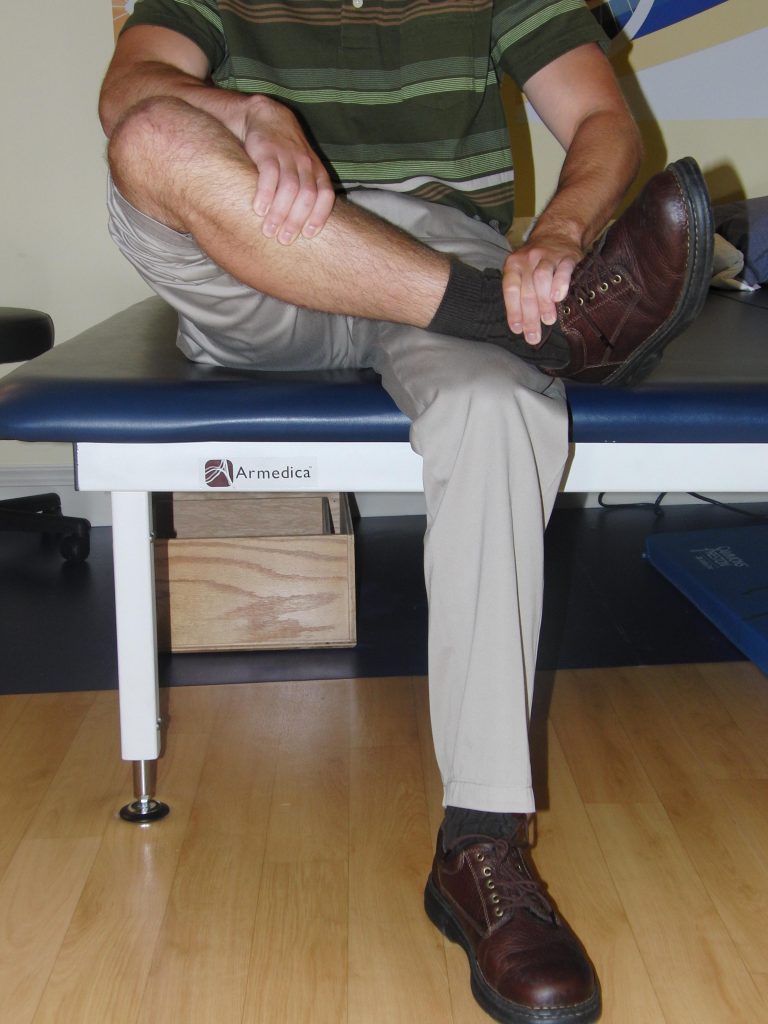
A middle-aged male adventure racer who had been struggling with right knee pain for six months sought my assistance. Adventure racing involves competing over multiple days, ultra-distance walk/running combined with other activities such as mountain biking, swimming, kayaking, and rock climbing. His knee pain was focused to the anterior lateral aspect of the right knee.…
Read MoreShock – Injury – Cadence – Quiet
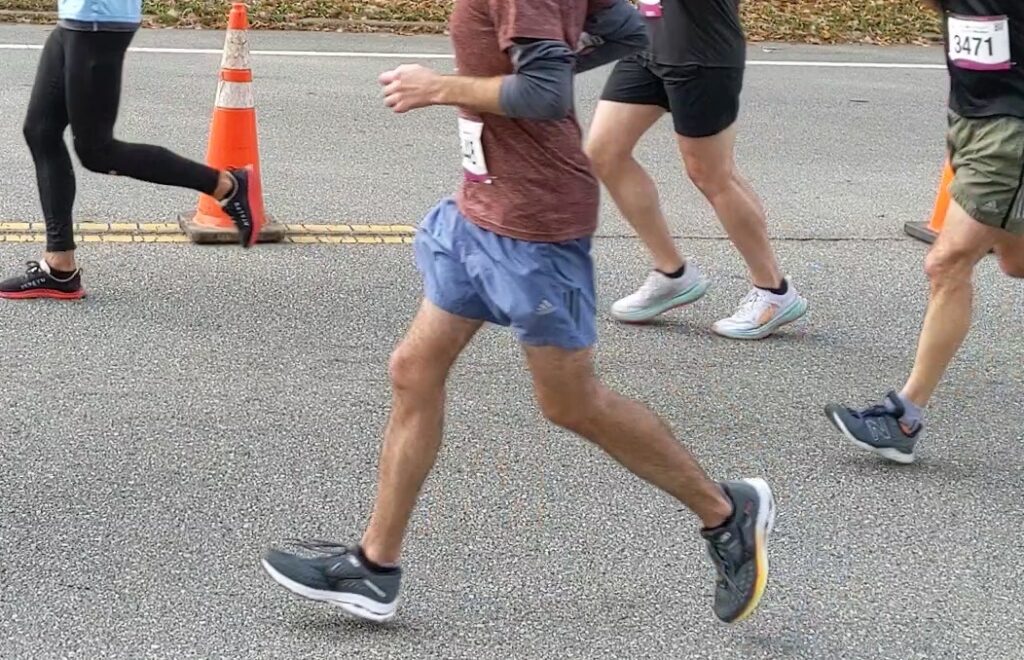
How hard a walker or runner impacts the ground can be described with several biomechanical terms, including vertical impact loading rate, braking impulse force, and shock. Scientists have determined it is not the magnitude of force, but the rate at which the force is transmitted from the ground to the foot and leg that is…
Read More