
Posts Tagged ‘symptom modification’
Pain – What does it feel like? How this information can guide intervention
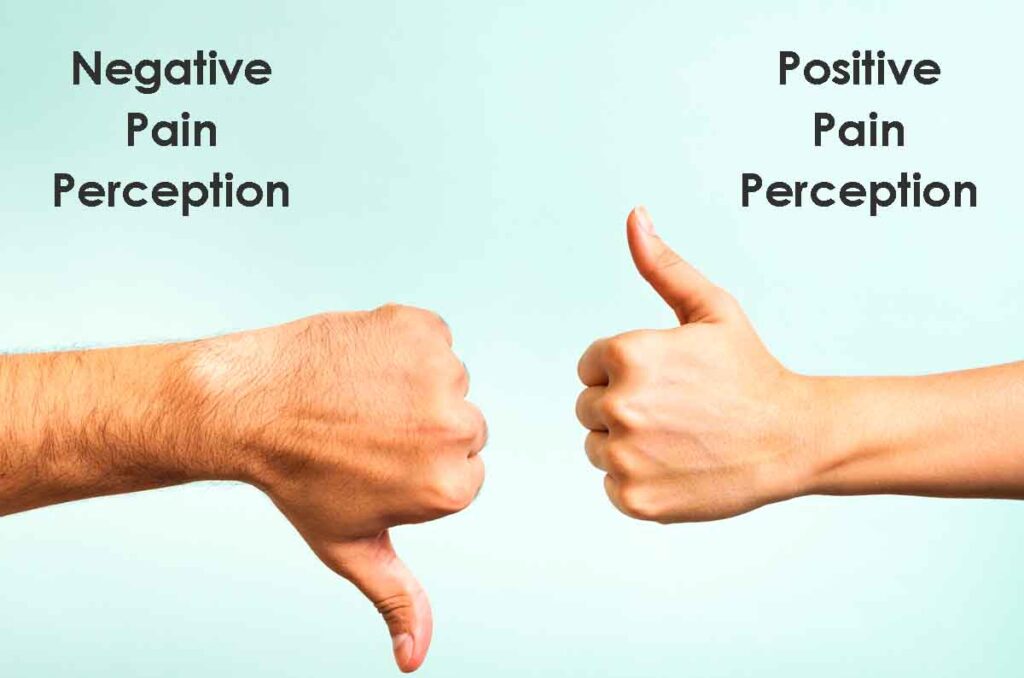
When describing your pain details can include location, type, severity/intensity, frequency, duration, triggers, and impact on life. When describing the location of the pain it may not be accurate. Pain can be perceived in an area that is distant from the tissue source of the pain. This is described as referred pain, when the pain…
Read MoreMovement-evoked pain measurement for adjustment of interventions for chronic musculoskeletal pain syndromes

If chronic musculoskeletal pain syndrome is like diabetes, then what is a self-administered test to adjust interventions? A thought-provoking article by Jermey Lewis and Peter O’Sullivan suggests “Is it time to reframe how we care for people with non-traumatic musculoskeletal pain” they suggest we have a lot to learn from how other chronic medical and…
Read MoreSymptom modification of painful gait

Symptom modification procedure is common practice in the Physical Therapy profession. This procedure involves identifying the specific movement, posture, and/or activity that reproduces the patient’s symptoms. Historically diagnosis of musculoskeletal problems was based on examination which selectively provoked musculoskeletal tissues by compressing or stretching the various tissues to provoke the symptoms. This provided direction for…
Read MoreIt’s not hip to be in pain – Gait analysis & training can improve those pains in the backside
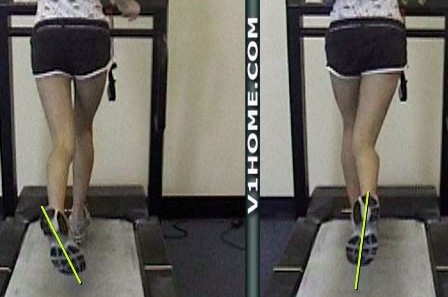
Are you experiencing pain in the lateral aspect (outer side) of your hips and/or buttocks when you walk or run? If so, using slow-motion video to identify gait deviations and working on your gait with a physical therapist can help solve the problem. Gait deviations are movements that differ from the norm. A deviation can…
Read MoreHow to do the analysis of slow-motion video of human movement

Smart phone video technology provides significant opportunities to analyze human movement. There are four steps involved in using smart phone video for slow motion video analysis. Each step has considerations, challenges and barriers that need to be addressed. The four steps are recording movement; analyzing the movement; storing the video data; and retrieving the video…
Read MoreSlow motion video (Smart Phone) analysis is under-utilized, & under-valued

Being an old Physical Therapist I have had the good fortune of being around to observe significant changes and advances in the technology available to perform motion analysis. When I began analyzing the gait of runners many years ago, I used analog video cameras which required large VHS tapes and separate VCR playback units. The…
Read More