Hip & Knee
Orthopedic Surgery vs Orthopedic Medicine: Considerations Regarding Elective Surgery

There is a difference between someone who practices orthopedic surgery and someone who practices orthopedic medicine. Orthopedic surgeons are interested in surgical treatment of musculoskeletal problems. Orthopedic medicine practitioners are interested in non-surgical treatment of musculoskeletal problems. Dr. James Cyriax, author of “Textbook of Orthopaedic Medicine,” emphasized this difference. While some orthopedic problems improve with…
Read MoreCuing to Alter Gait Deviation of Too Long a Step
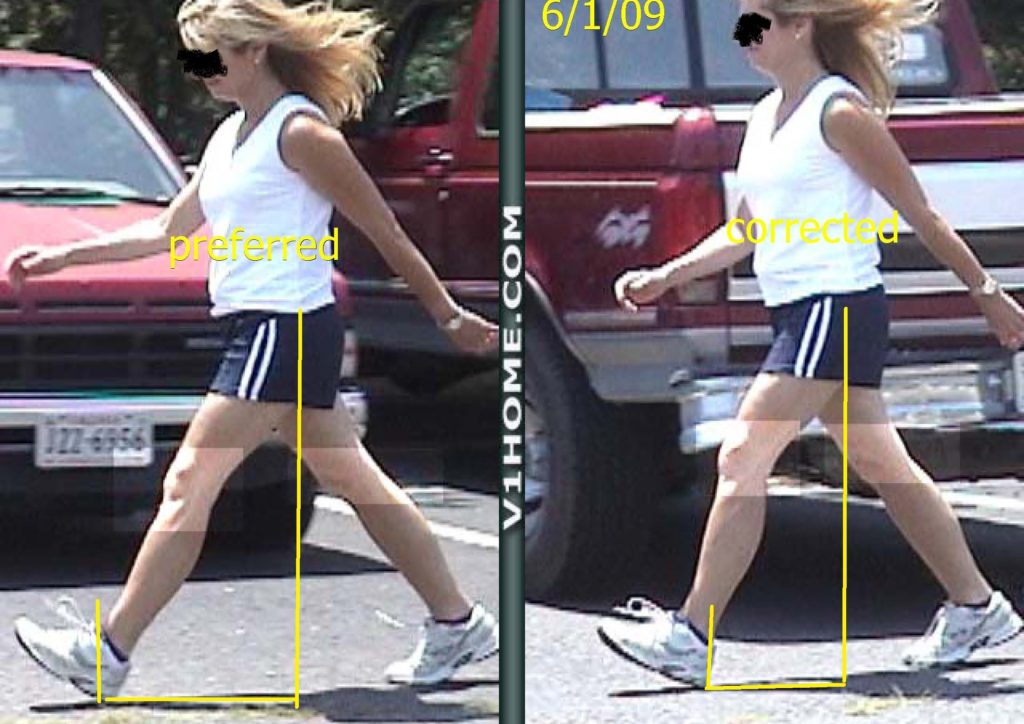
Cuing to Alter Gait Deviation of Too Long a Step Mathematics helps explain walking or running faster. Step length X steps per minute = speed. In order to move faster there are 3 opportunities take longer steps or strides, increase the steps/minute (cadence), or do both longer steps and a faster cadence. Taking longer steps/stride…
Read MoreShoe Soles: Stiff Rocker Bottom Sole versus Flexible Sole “Barefoot”
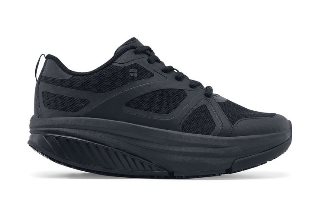
There are many things to consider when selecting shoes, including comfort, injury and energy expenditure. Arnie Davis a Certified Pedorthotist has coined the term shoes with rocker bottom soles are the proverbial “aspirin” for chronic foot problems. A rocker sole shoe is recommended to help manage a number of painful injuries including: low back pain;…
Read MoreKnee Pain Wringing Out – Gait Deviation
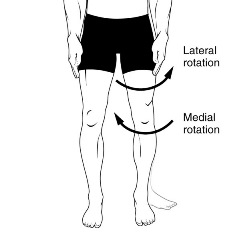
Knee pain can develop because of a “wringing out”. I am not referring to banging a bell ring, but the counter-rotation motion that can occur at the knee joint. The knee joint consisting of the thigh and lower leg moves on three different planes of motion. The knee can flex and extend. The knee can…
Read MoreBody Proportions – Musculoskeletal Pain – Sports Performance
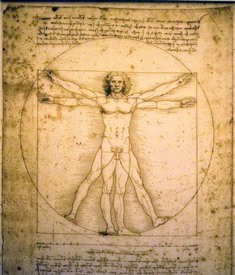
The importance of knowing how tall we are is somewhat obvious. What is less obvious is the importance of knowing the proportionality of our vertical height. The ideal proportionality of a human body’s stature was defined by Leonardo da Vinci. The “Vitruvian Man” or “drawing of proportions of man” is the ideal human proportions…
Read MoreStrengthening Exercises for Intrinsic Foot Muscles
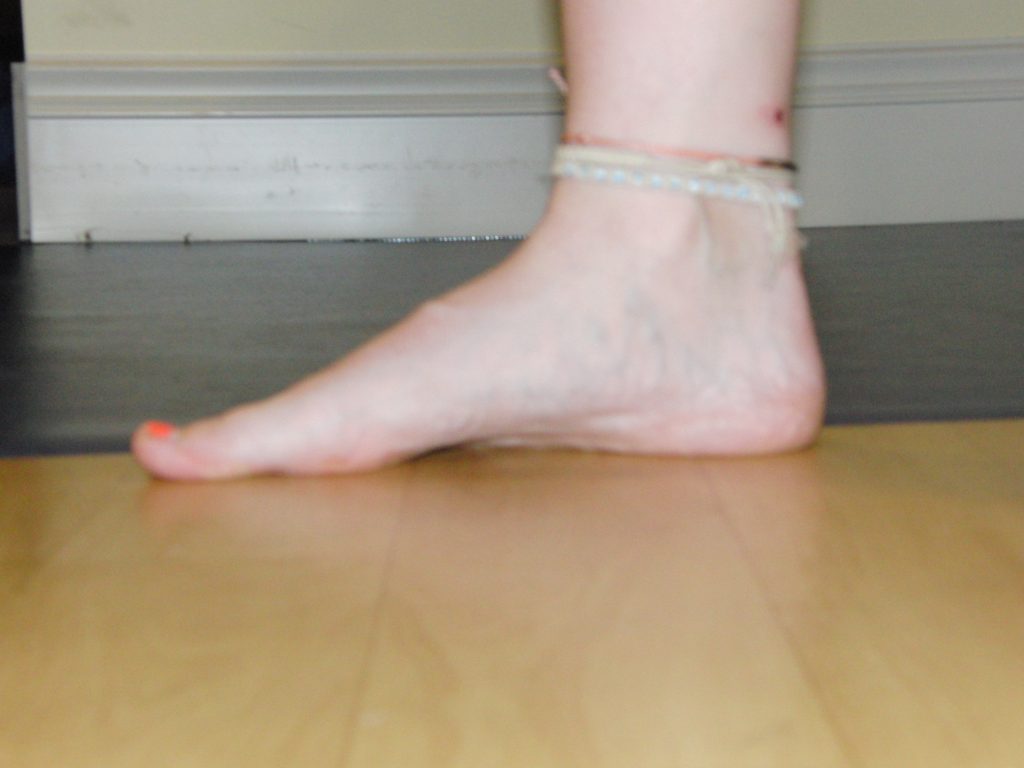
Exercises to strengthen the foot are frequently used to treat injuries to foot, ankle, knee, hip and low back. Toe curl or toe scrunching exercises is not appropriate for strengthening the muscles intrinsic to the feet. Muscles about the foot and ankle are described as either extrinsic muscles or intrinsic muscles. Extrinsic foot muscles have…
Read MoreOsteoarthritis – Bad News More Than Good News
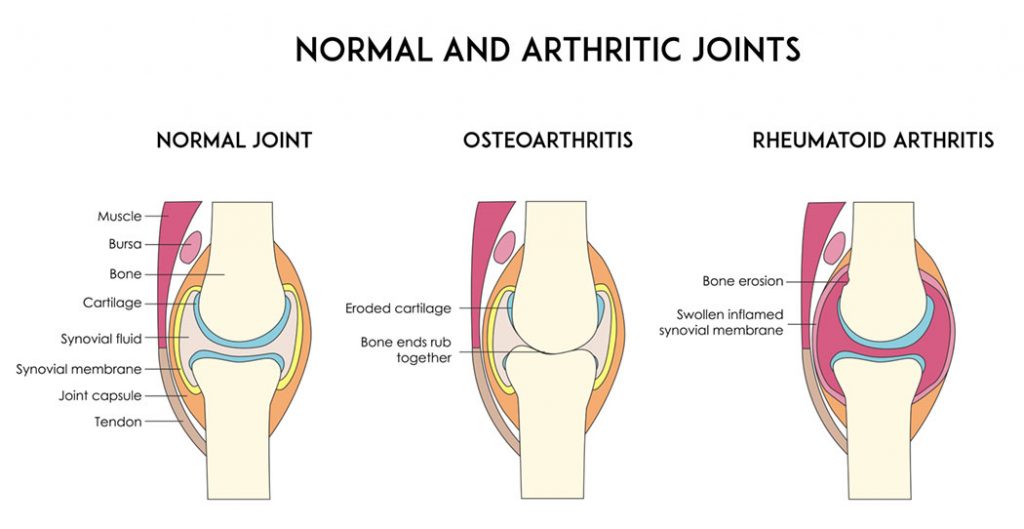
Osteoarthritis occurs in a joint when there is more degeneration of the joint cartilage than regeneration of the joint cartilage. Cartilage is a soft tissue on the ends of bones. Cartilage provides a smooth surface to allow free movement of joint, provides a cushioning, and for joint stability. Cartilage tissue is poorly designed for repair…
Read MoreOrthopedic post-surgical protocols & Physical Therapy

If you have the misfortune of needing to have an elective orthopedic surgery, you will likely be referred to Physical Therapy following the surgery. You will likely follow a post –surgical rehabilitation protocol. Orthopedic surgeons and Physical Therapist have developed standard protocols for each surgical diagnosis or surgical procedure. The protocol will outline the step…
Read MoreJoint Sounds and Noise
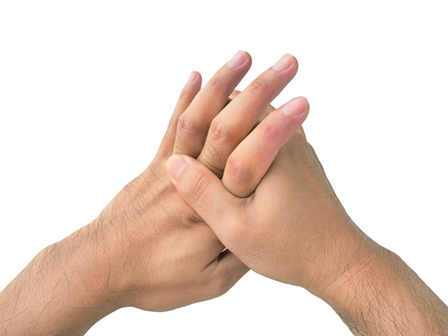
Sounds often are used to assist a healthcare professional in making a diagnosis. The characteristic sounds and noise coming from the heart or lungs provide clues to determine whether something is wrong. Listening to the sounds of the stomach and bowels is an important clinical tool in diagnosing bowel obstructions. Sounds and noise coming from…
Read MoreHip Pain: Gluteal Tendon Problems Postures & Positions to Avoid
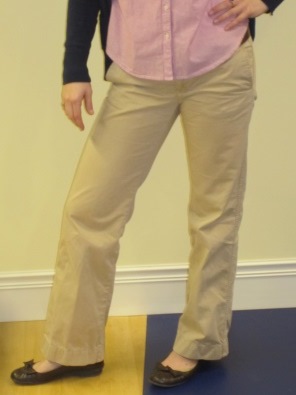
Tendon problems are a common diagnosis at Achilles, knee (patellar tendon), shoulder (rotator cuff), and elbow (tennis elbow) pain. Interestingly though, pain on the side of the hip is commonly thought to be an inflammation of bursa. Recent investigation has shown that pain on the side of the hip commonly thought to be trochanteric bursitis,…
Read More