Repetitive Use injury
Active Therapies – Passive Therapies – Responsibility

Passive therapy is when something is done to you. Passive treatment implies lack of participation from the individual receiving the therapy intervention Examples of passive physical therapies include massage, manipulation, acupuncture, dry needling, traction, ultrasound, electrical nerve stimulation, laser, ice packs, and hot packs. Passive therapy always requires another person to apply the treatment. Passive…
Read MoreConflict Between Evidence Based Medicine – Patient Centered Based Medicine Why it is important
Evidence based medicine is the integration of best research evidence, with clinical expertise, and patient values. Evidence based medicine, a process of turning clinical problems into questions and then systematically locating, appraising, and using contemporaneous research findings as the basis for clinical decisions. Population based outcome research has repeatedly documented that patients who do receive…
Read MoreShin splints – shock absorption, stride length

The term shin splints refer to a painful condition that develops in the lower leg, usually along the tibia bone, in response to exercise or activity. Shin splints are a common problem for novice runners, dancers, field hockey, basketball, baseball and tennis players, and even walkers. Shin splints can be classified into different problems including: tendonitis,…
Read MorePain on Bottom of Heel: Faulty Shock Absorption
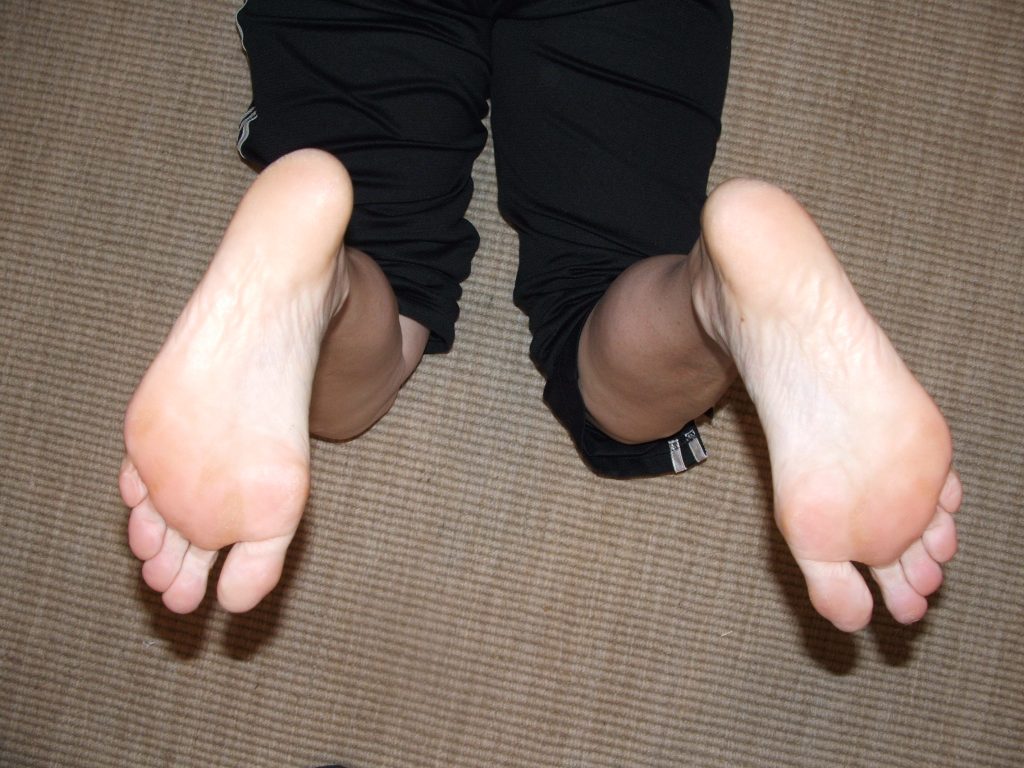
Pain on the bottom of the heel (Plantar Heel Pain) is a complex problem with variable diagnoses and explanations. And, with variable diagnoses there should be variations in treatment. Unfortunately, the common treatment recommendations do not recognize such variability. Not all pain on the bottom of the heel is the same and not all pain…
Read MoreHeel Whip When Running
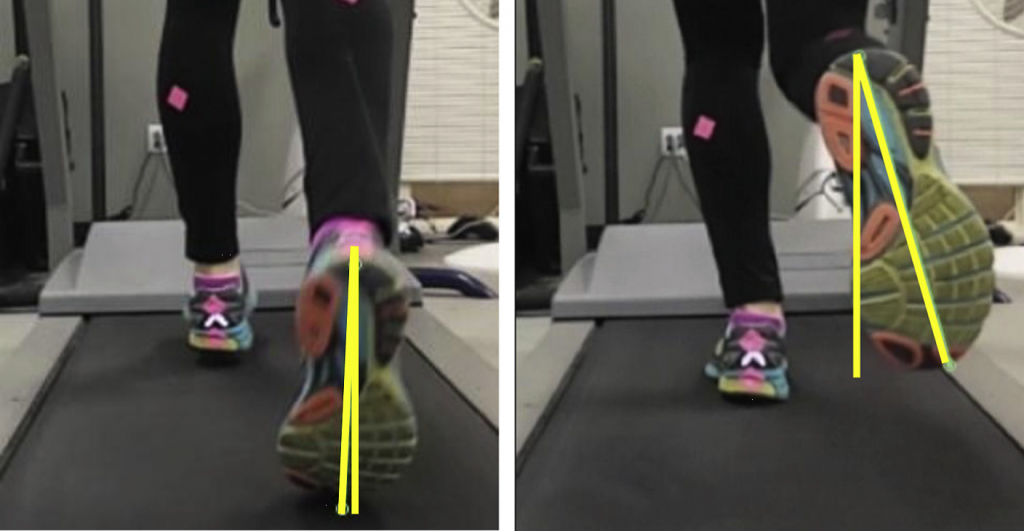
There is a growing body of evidence among healthcare professionals to suggest the way we run contributes to the risk of a repetitive use injury, and that gait retraining is an effective intervention for managing repetitive use injuries. There is less consensus and much debate on which movement faults are more important. Common movements that…
Read More