
Search results for: Pain movement
Movement-evoked pain measurement for adjustment of interventions for chronic musculoskeletal pain syndromes
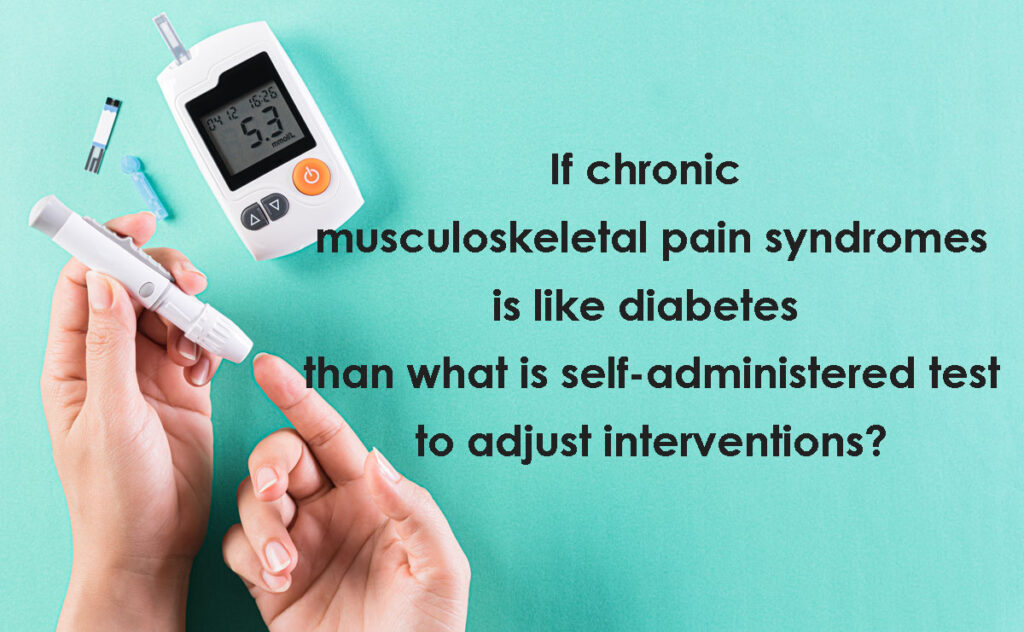
If chronic musculoskeletal pain syndrome is like diabetes, then what is a self-administered test to adjust interventions? A thought-provoking article by Jermey Lewis and Peter O’Sullivan suggests “Is it time to reframe how we care for people with non-traumatic musculoskeletal pain” they suggest we have a lot to learn from how other chronic medical and…
Read MoreDeviant movement resulting in pain – Excessive Toe Out Gait
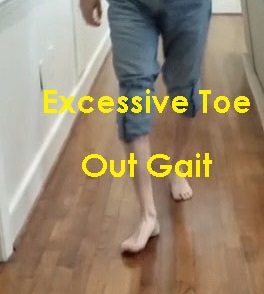
Asymmetrical movements walking or running are considered deviant or less than optimal movements. The individual in the video below is complaining of musculoskeletal pain in the left lower extremity. What do you see? Do you see the asymmetrical movement? Do you see the right foot is pointing straight ahead, and the left foot is not…
Read MorePain – Movement

If pain occurs with movement, then observation and analysis of movement is required. The measurement of the symptom of pain occurs using the familiar numeric pain scale (zero to 10). 0-10 Numeric pain scale diagram. Clipart image In 1996 the American Pain Society lead a campaign to consider the measurement of pain as the 5th…
Read MoreAdding observation of deceleration forces to diagnosis & treatment of movement system impairment syndromes & musculoskeletal pain syndromes

Shirley Sahrmann and colleagues share an elegant clinical reasoning process model to diagnose and treat musculoskeletal pain syndromes and movement system problems. The movement system is physiological organ systems that interact to produce movement of the body and its parts. The basis is alignment in a deviant position and repeated deviant movements in a…
Read MorePain Severity vs Pain Irritability: Why the difference matters in musculoskeletal care

A recent patient with shoulder pain persuaded me that pain intensity does not always reflect the clinical seriousness of a condition. Pain irritability – how easily pain is triggered and how long it lasts – often matters more for guiding treatment decisions. A 65-year-old male reported right shoulder pain. When queried, when did it start…
Read MoreHow to mitigate risks & enhance benefits of DIY care of non-traumatic musculoskeletal pain

My January 2026 visit to my healthcare provider was shocking: my coinsurance deductible is twice as much as last year. My health insurance company increased my premium by 25%. Around the same time, I am doing a “do-it-yourself” repair of my Wi-Fi system. My Physical Therapy practice is a one-man shop. So, one of my…
Read MoreDownsides of steroid injections for hip pain – What 3 patients taught me
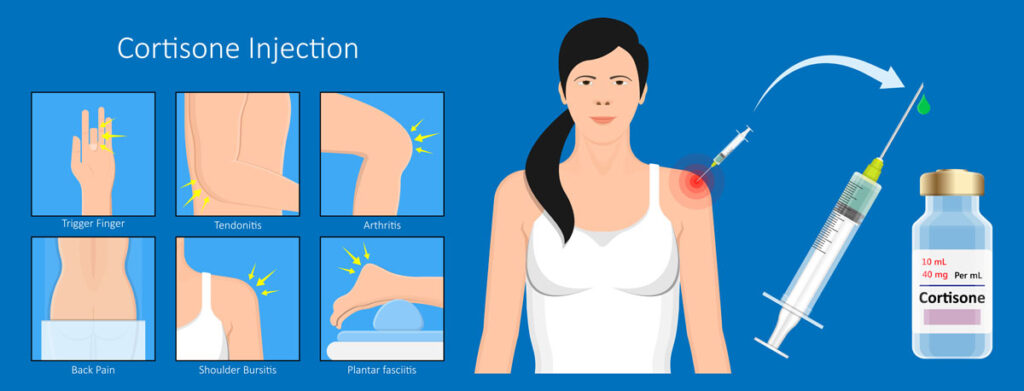
Three patients with chronic hip pain prompted me to dive deeper into the effectiveness and risks of the common intervention of corticosteroid injection for musculoskeletal pain syndromes. Patient A complains of difficulty lifting his leg to put his pants on when standing and difficulty lifting his leg to transfer into his car. He had a…
Read MoreUnderstanding Delayed-Onset Exercise-Induced Pain in Individuals with Chronic Pain Syndromes

Introduction Two patients with chronic musculoskeletal pain and Ehlers-Danlos Syndrome (EDS) recently demonstrated similar but unexpected responses to routine exercise interventions. Their experiences prompted me to reexamine my understanding of exercise-induced pain in individuals with chronic musculoskeletal conditions. Patient Case Studies Patient A: During a physical therapy session, a patient with EDS performed a spinal…
Read MoreMusculoskeletal pain which are important steps which are less important?

Thesis: Choosing a diagnosis is an early step in solving non-traumatic muscle and bone pain problems. A diagnosis helps guide treatment, predict how problems will progress, and improve communication. A diagnosis has many functions, including direction for intervention to solve problems, predicting how problems will progress, and assisting in communication. Antithesis: Medical terminology is notoriously…
Read MoreAdjusting the exercise load to manage musculoskeletal pain syndrome
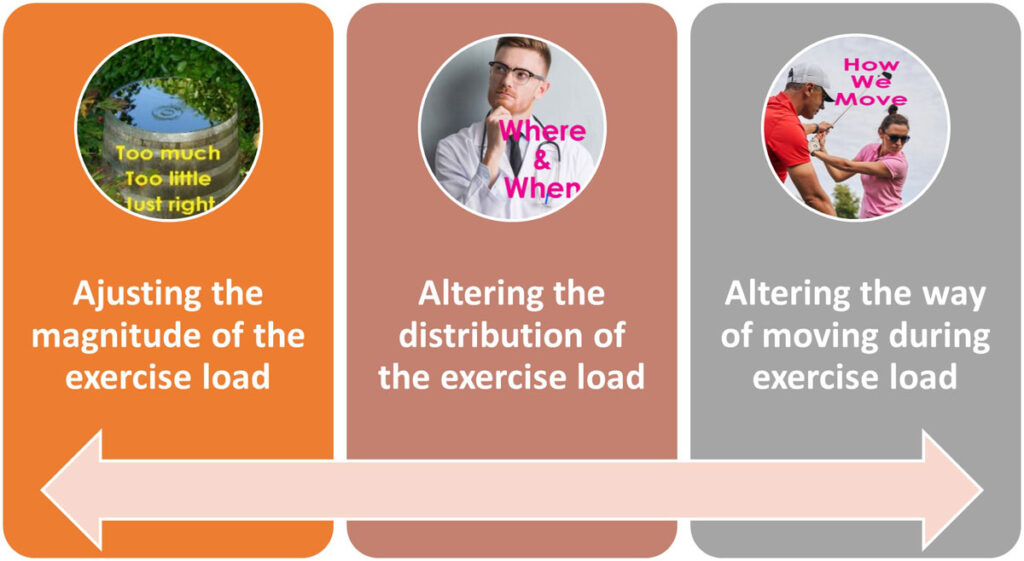
Adjusting the amount of exercise load involves seeking a balance between increasing or decreasing the load. Athletes and healthy individuals the bias is towards increasing the load to improve capacity and performance. For musculoskeletal injuries, post-orthopedic surgery, or musculoskeletal pain syndromes, the bias is towards decreasing the load to facilitate healing and recovery. Tactics to…
Read More