Search results for: Pain movement
Pain – What does it feel like? How this information can guide intervention
When describing your pain details can include location, type, severity/intensity, frequency, duration, triggers, and impact on life. When describing the location of the pain it may not be accurate. Pain can be perceived in an area that is distant from the tissue source of the pain. This is described as referred pain, when the pain…
Read MoreUsing symptoms &/or sign modification procedure to manage musculoskeletal pain syndrome
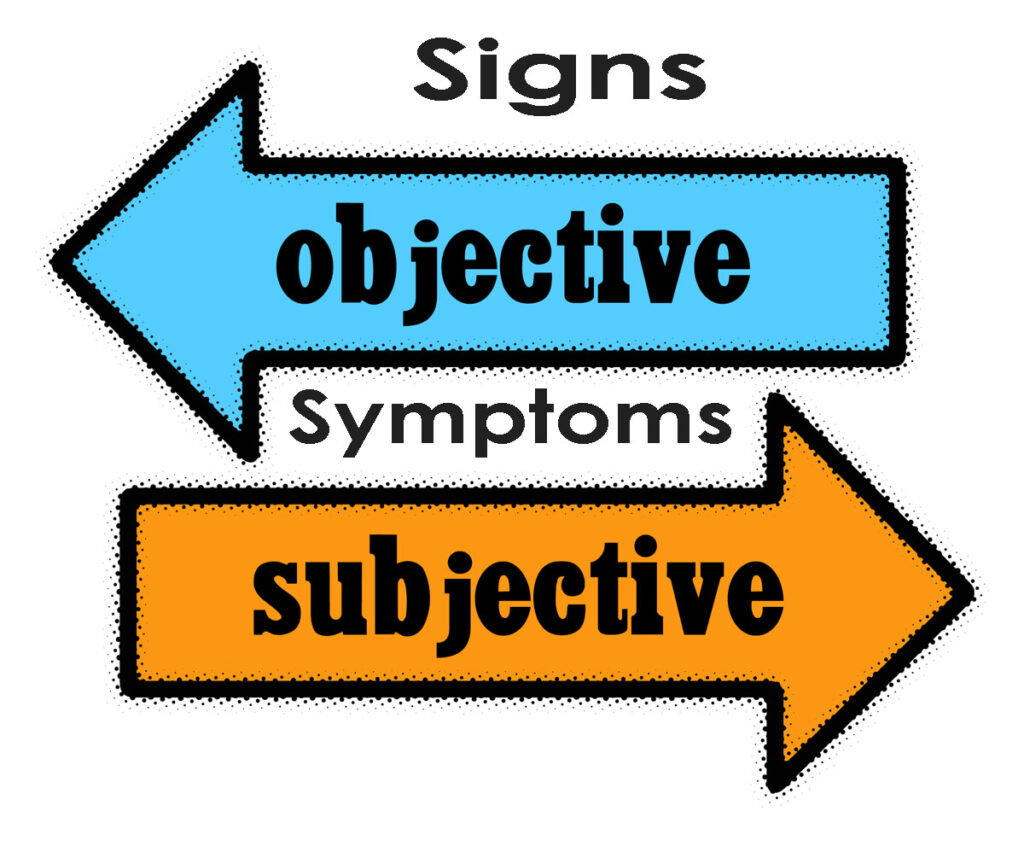
The symptom modification procedure is a clinical reasoning process and is a common practice in the Physical Therapy profession. The symptom modification procedure involves identifying the specific movement, posture, and/or activity that reproduces the patient’s symptoms. Typically, the symptom is pain, which can be weakness, falls, or other functional limitations. Then intervening to alter the…
Read MoreSteps to manage first step pain
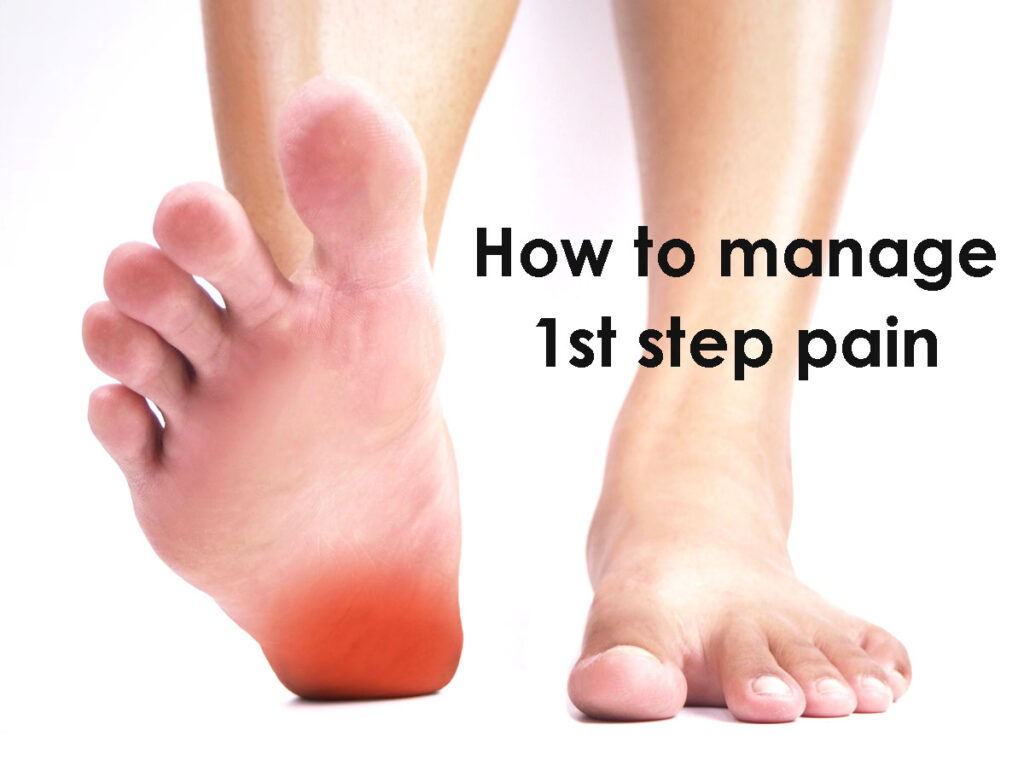
A definitive symptom of plantar heel pain is “first-step pain” First-step pain is felt on the first step out of bed in the morning or after other periods of inactivity such as sitting in meetings or long car drives. The following are simple steps to manage the 1st step pain: Purposeful pandiculation for pain plantar…
Read More“Deme Bones” – inter-limb deviation related to the musculoskeletal pain syndromes
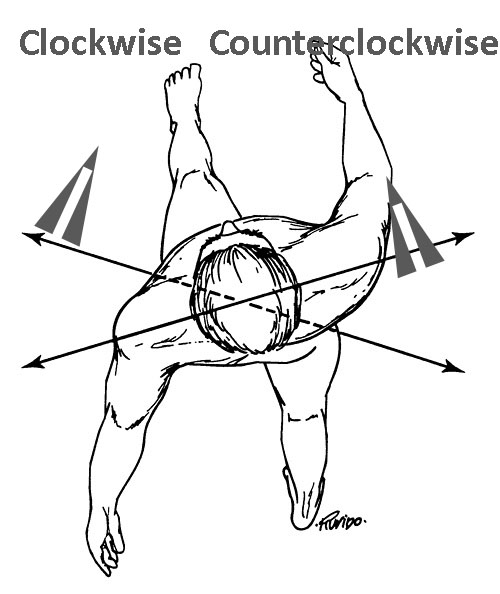
“The toe bone is connected to the foot bone” is the common reframe from the old gospel song “Dem Bones.” The concept of mechanical connectedness or regional interdependence applied to musculoskeletal pain syndromes suggests that in addition to examining a patient’s local area of complaint examination of the adjacent joints above and below the primary…
Read MoreChoices of interventions for musculoskeletal pain syndromes: decrease pain, improve impairment, resolve dysfunction
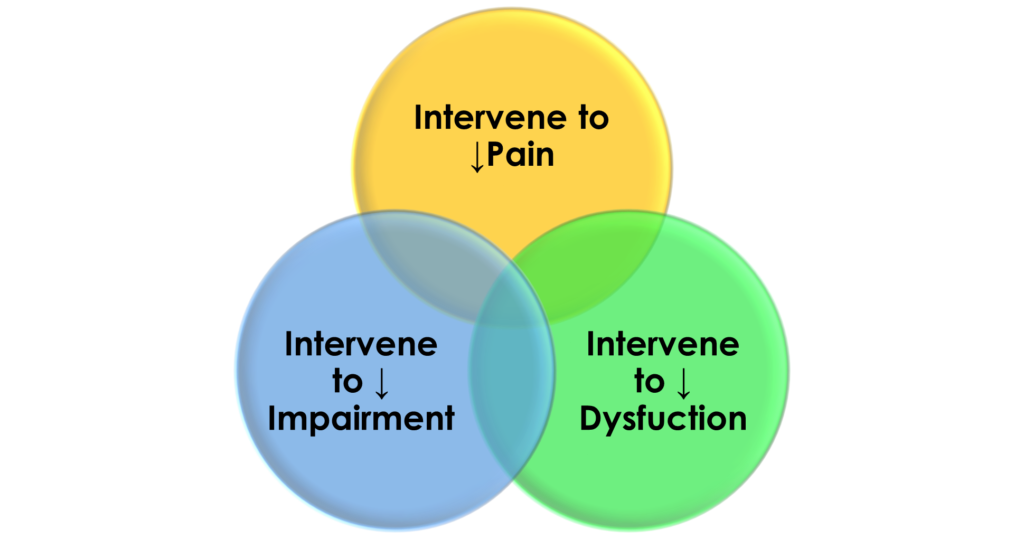
There are multiple and varied interventions that can tackle the contributing factors of pain, impairment, and dysfunction that occurs with musculoskeletal pain syndromes. Pain impairs an individual’s ability to function Impairment is loss of use or derangement of any body part, organ system, or organ function. Dysfunction is an alteration of an individual’s capacity to…
Read MoreSensory preference & learning optimal movement
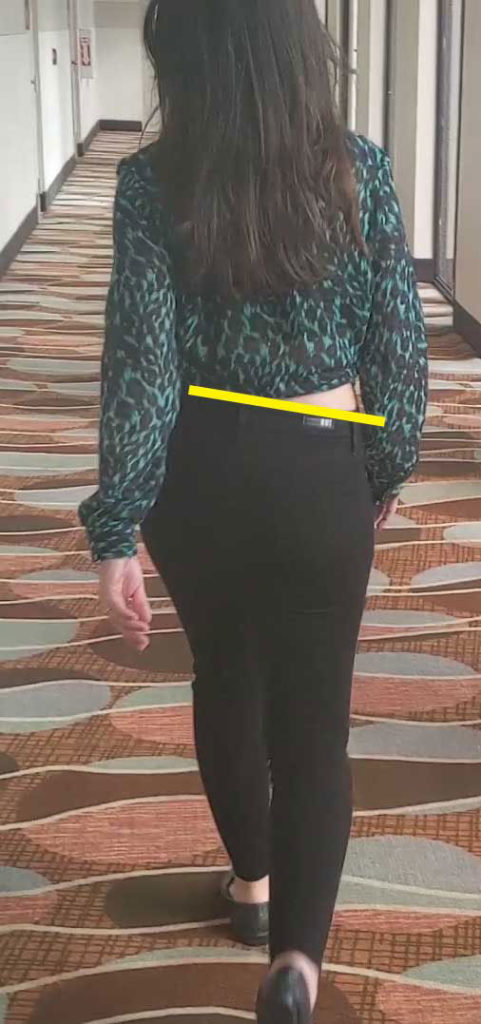
There are many cognitive strategies to cue, prompt, and provide feedback to improve movement. Theory of focus of attention The dominant theory proposed by Gabriele Wulf and colleagues is providing cueing, prompting, or feedback to facilitate learning to move in a more optimal way is using an external focus of attention is more effective and…
Read MoreButt pain – Isometric Exercises
“Butt Pain.” has different tissue diagnoses. Possible diagnoses are sciatica; piriformis syndrome; gluteal tendinopathy; hamstring tendinopathy; bursitis; hip arthritis; and others. There are many treatments for butt pain. My “go-to” exercise for butt pain is isometric contractions of the gluteal muscles. In my experience rarely is trying to “stretch it out” effective treatment for butt…
Read MoreOptimizing human movement requires clarity of description of movement
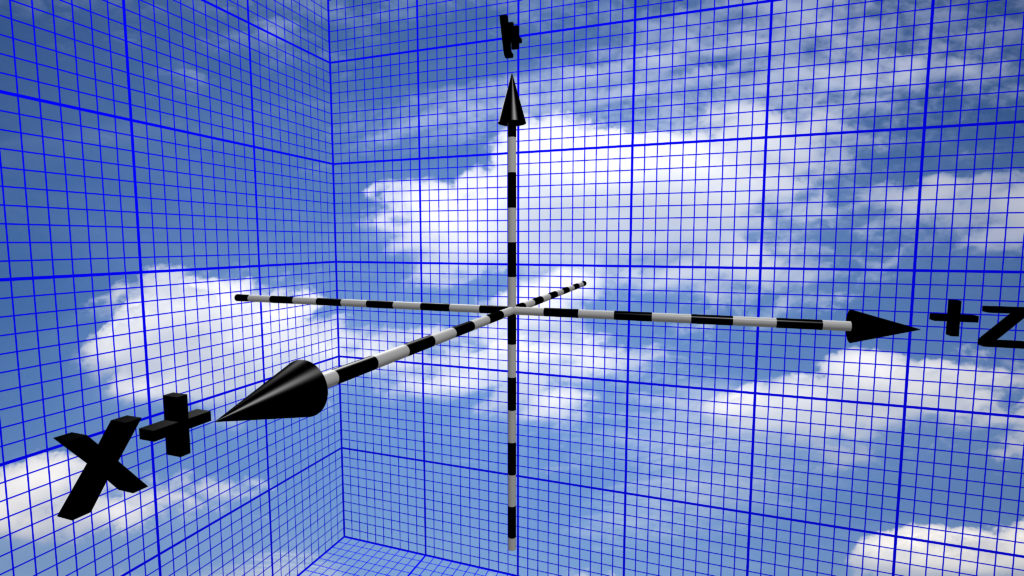
To know where you are going you must first know where you are. To optimize human movement, analysis of human movement is required. To identify optimal human movement clear qualitative and quantitative descriptions are needed. When describing human movement confusion occurs when we fail to clearly identify a frame of reference and reference point. A…
Read MoreChoice of feedback for learning new movements

A common practice when addressing painful musculoskeletal pain syndromes is the symptom modification procedure. This procedure involves identifying the specific movement, posture, and/or activity that reproduces the patient’s symptoms. The symptom modification procedure alters performance. It is relatively quick as it occurs in one session. Altering performance is different than learning. An altered performance is…
Read MoreGait Deviations Musculoskeletal Pain Syndromes: Is there a gait deviation or cluster of gait deviations which is common across musculoskeletal pain syndromes?
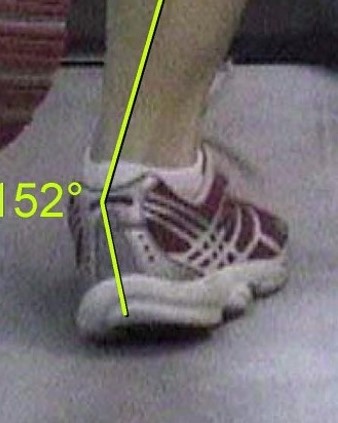
Gait deviations are considered risk factors and/or causative drivers for musculoskeletal pain syndromes. There is a growing body of research showing a relationship between gait deviations and musculoskeletal pain syndromes injuries: shin pain (here, & here,) ; patella-femoral arthralgia (here); IT band syndrome; Achilles pain; plantar heel pain (here, & here). There is growing consensus…
Read More