
Search results for: second
Adjusting the exercise load to manage musculoskeletal pain syndrome
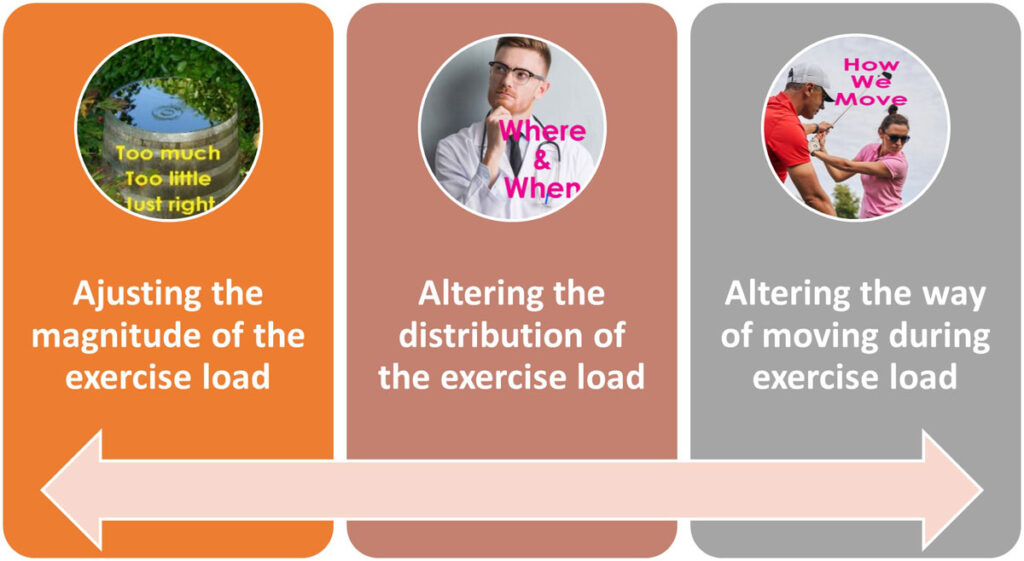
Adjusting the amount of exercise load involves seeking a balance between increasing or decreasing the load. Athletes and healthy individuals the bias is towards increasing the load to improve capacity and performance. For musculoskeletal injuries, post-orthopedic surgery, or musculoskeletal pain syndromes, the bias is towards decreasing the load to facilitate healing and recovery. Tactics to…
Read MoreContinuing Education Courses DHPT
Continuing Education Courses for Healthcare Providers Provided by Damien Howell Acquire opportunities/courses to help you & your patients thrive Enhance your ability to “learn how to learn” – reflective learning Enhance your credibility with customers Integrate & refine your clinical skills Improve your clinical reasoning Take courses that quality for Virginia Physical Therapy Board Type…
Read MoreOrthopedic surgery is not always necessary – coper vs non-coper
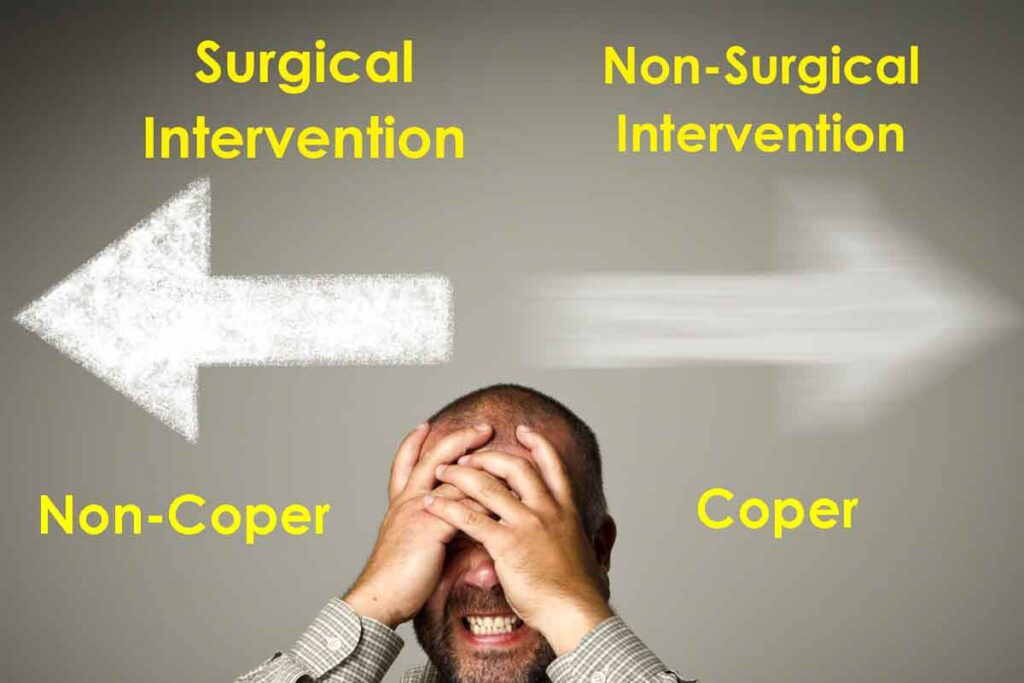
A diagnostic image such as an MRI can show significant structural damage such as a complete tear of the anterior cruciate ligament (ACL), a complete tear of the rotator cuff of the shoulder, a herniated spinal disc, or other musculoskeletal tissue damage. In 1983 Frank Noyes and colleagues in a seminal study of patients without…
Read MoreMovement-evoked pain measurement for adjustment of interventions for chronic musculoskeletal pain syndromes
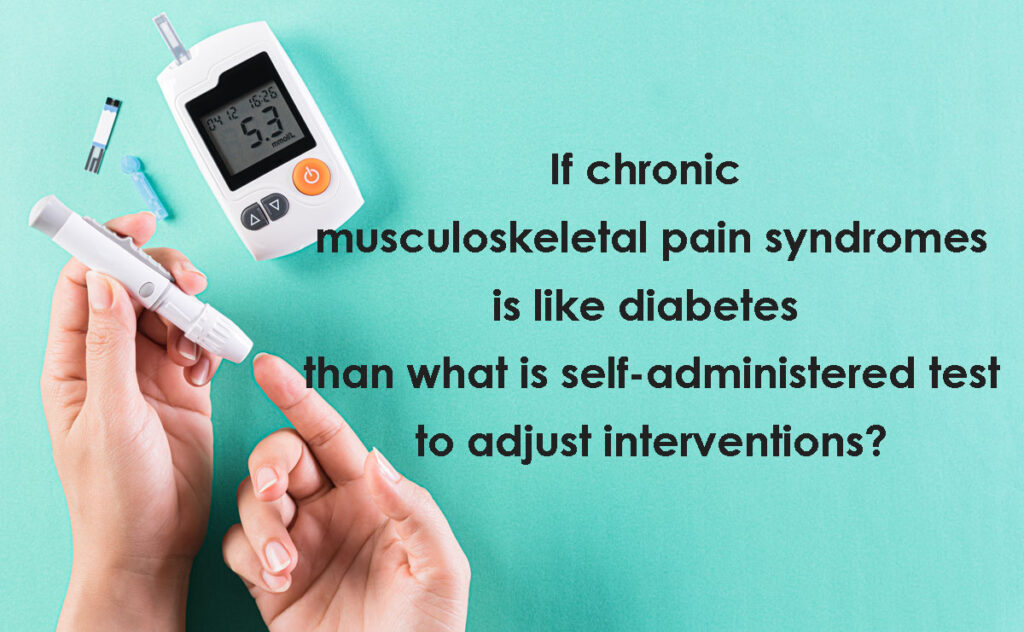
If chronic musculoskeletal pain syndrome is like diabetes, then what is a self-administered test to adjust interventions? A thought-provoking article by Jermey Lewis and Peter O’Sullivan suggests “Is it time to reframe how we care for people with non-traumatic musculoskeletal pain” they suggest we have a lot to learn from how other chronic medical and…
Read MoreUsing symptoms &/or sign modification procedure to manage musculoskeletal pain syndrome
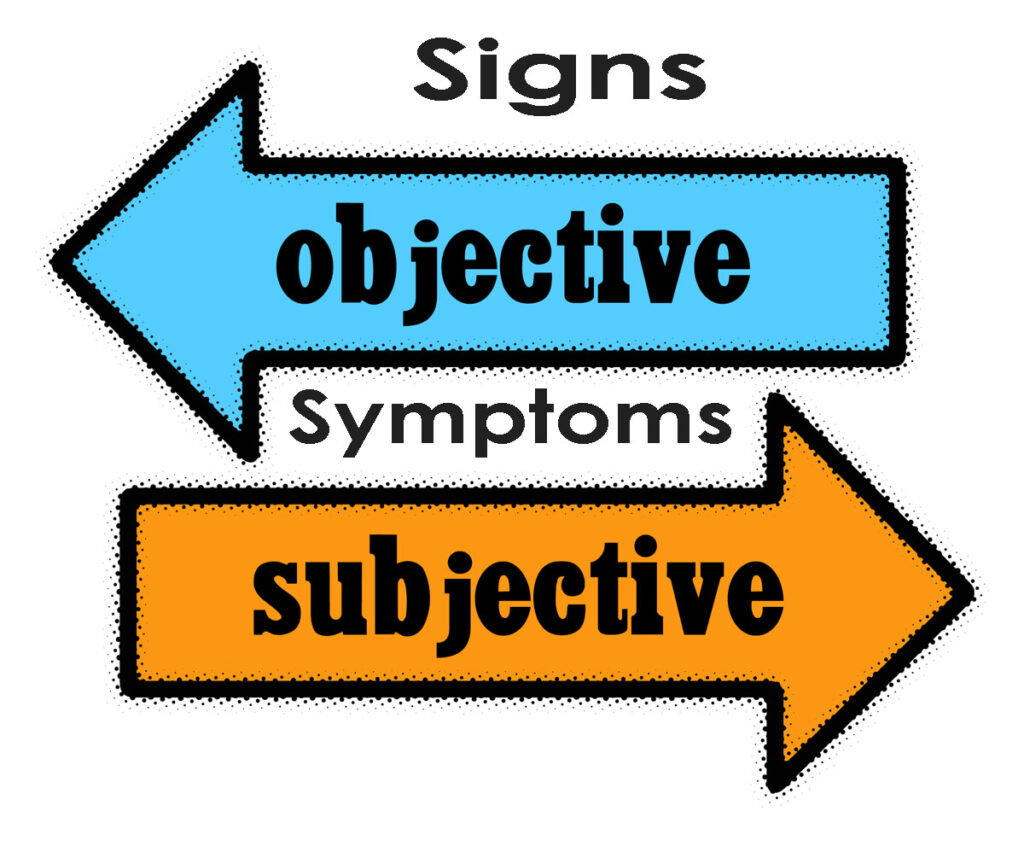
The symptom modification procedure is a clinical reasoning process and is a common practice in the Physical Therapy profession. The symptom modification procedure involves identifying the specific movement, posture, and/or activity that reproduces the patient’s symptoms. Typically, the symptom is pain, which can be weakness, falls, or other functional limitations. Then intervening to alter the…
Read MoreHow to improve the quality of a selfie video to facilitate motion analysis

In a previous article, I described how sharing selfie videos with healthcare professionals can facilitate motion analysis for the management of painful musculoskeletal syndromes, injury prevention, and performance enhancement. This article describes how to improve the quality and standardize the process of capturing selfie videos to facilitate the motion analysis process. I am a healthcare…
Read MoreUsing a selfie video for motion analysis

A selfie video can enhance motion analysis for the diagnosis and intervention of painful musculoskeletal injury, for injury prevention, and for enhancing movement performance. A selfie video is a video recording that you take of yourself, also called a velifie A selfie video can: Provide opportunities for reflective self-learning. Provide visual data regarding comparing…
Read MoreShould we discharge from Physical Therapy

Why is the terminology “discharged from Physical Therapy” used? I have not heard of anyone being “discharged from dentistry”. I have not heard of anyone being discharged from massage therapy. The meaning of “discharge” is – to relieve of a charge, load, or burden; or to release from confinement, custody, or care; or to set…
Read MoreWhat is harder than learning? Unlearning
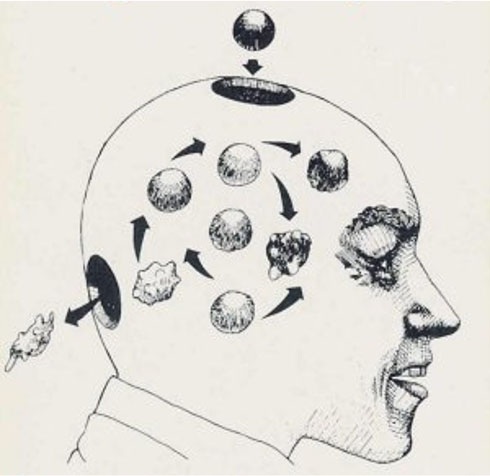
This image from Roger von Oech’s “A whack on the side of the head” 1983 has intrigued me for years. The idea that we get rid of ideas or concepts is thought-provoking. How do we know when to reject ideas? What is the thought process we use to unlearn something? My understanding of learning new…
Read MoreOn-line mentoring reflective learning
John Dewy wrote, “the experience alone does not necessarily lead to learning; it is the reflection that makes sense of the experience to us and hence makes the experience meaningful for us”. Experience does not equal learning. We do not learn from experience we learn from reflection on experience. Experience does not equal knowledge. Reflection…
Read More