Search results for: side effects
Back Pain Dilemma – Keep on Walking

Walking is commonly recommended by many medical professional associations for management of back pain. Walking is purported to be beneficial counteracting the potential deleterious effects of bed rest, maintaining functional abilities, stimulating use of spinal core muscles, keeping the general benefits of aerobic exercise, and providing pain reduction effects. Pain Walking can provide relief to…
Read MoreGait Retraining – Key Concepts
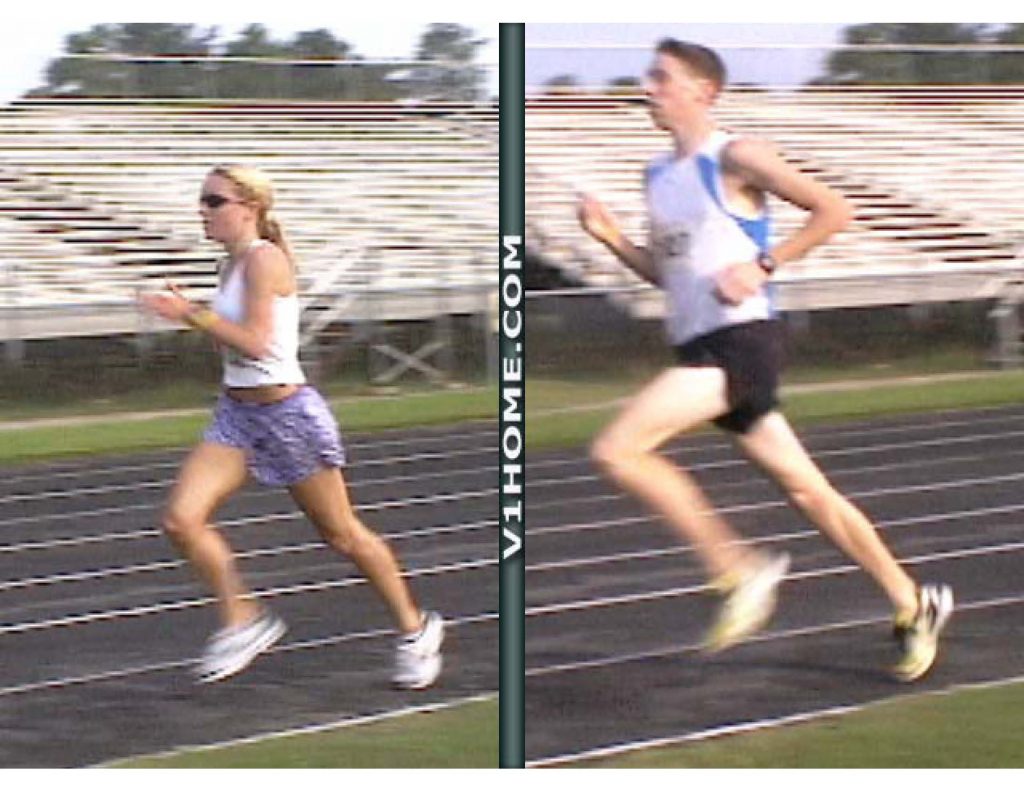
Gait retraining has become popular among avid runners and Physical Therapists. The proponents of gait retraining advocate if you improve the walking/running form you can walk/run faster, farther, and injury free. Many questions remain regarding gait retraining. Who can benefit from gait retraining injured individuals, non-injured, or both (Heiderscheit, B 2011)? When is the best…
Read MoreCan a Physical Therapist Give a Second Opinion by Telehealth?

Recently, I was asked by a patient in another state to provide a second opinion about the Physical Therapy she was receiving. I’ll call her Penelope. Penelope is a woman in her thirties with a 13-month history of non-traumatic left lower abdominal, back, and buttock pain. She had been receiving Physical Therapy for “sacroiliac joint…
Read MoreWhen Tendons Turn to Fat: Lessons in Clinical Uncertainty
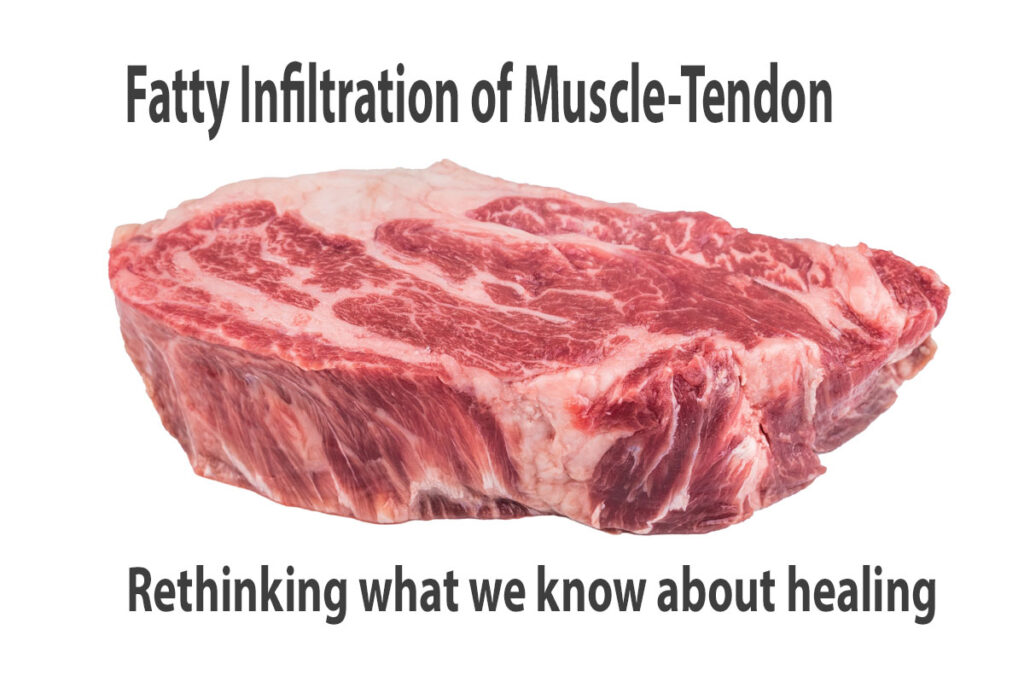
Dunning-Kruger effect – I know everything: For years, I explained to my patients the benefit of strengthening exercises in degenerative tendinopathy in a simple way: A tendon contains many fibers. If some are damaged or torn, strengthening may improve the capacity of the remaining healthy muscle-tendon units to compensate. Over time, the damaged fibers may…
Read MoreDo Running Shoes Prevent Injuries? Revisiting Evidence Two Decades Later

Twenty years ago, runners were told that the “right shoe” could prevent injury. Today, despite an explosion of research and technology, the answer remains surprisingly complicated. In 2006, my blog post Evolution of the running shoe: evidence & opinion,” my central observation was that runners often overestimated the role of footwear in injury risk. Shoes…
Read MoreEscaping the Drama Triangle: Practical Tactics for Direct Dialogue Between Physical Therapists & Surgeons.

Earlier in my Physical Therapy career, I joined a pain management team at a teaching hospital. Team members included an Anesthesiologist, Primary Care Provider, Physical Therapist, Psychologist, and others. We held team meetings to discuss chronic pain patients. Few would dispute that face-to-face real-time communication was a particularly effective way to provide care. Unfortunately, the…
Read MoreHormone replacement therapy tendon repair post-menopause
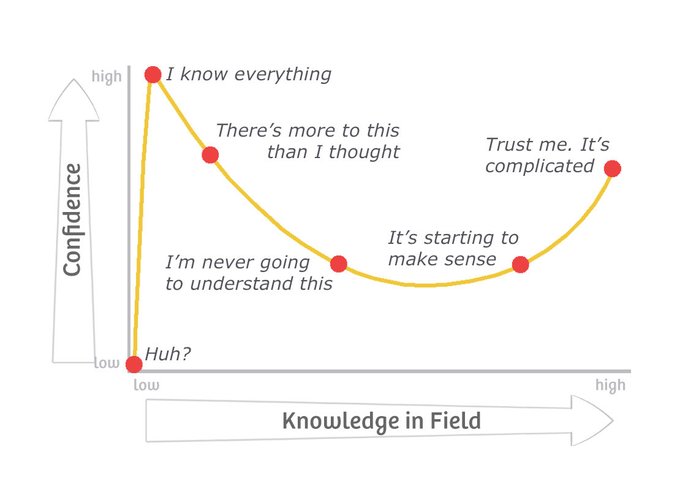
The Dunning-Kruger effect is a cognitive bias in which individuals with limited competence in a particular domain overestimate their abilities. It is when we lack competence that we are most likely to be brimming with overconfidence. The following is a description of how it applies to me. I know everything Early in my career as…
Read MoreSurgery vs non-surgical intervention -Decision for musculoskeletal pain syndrome
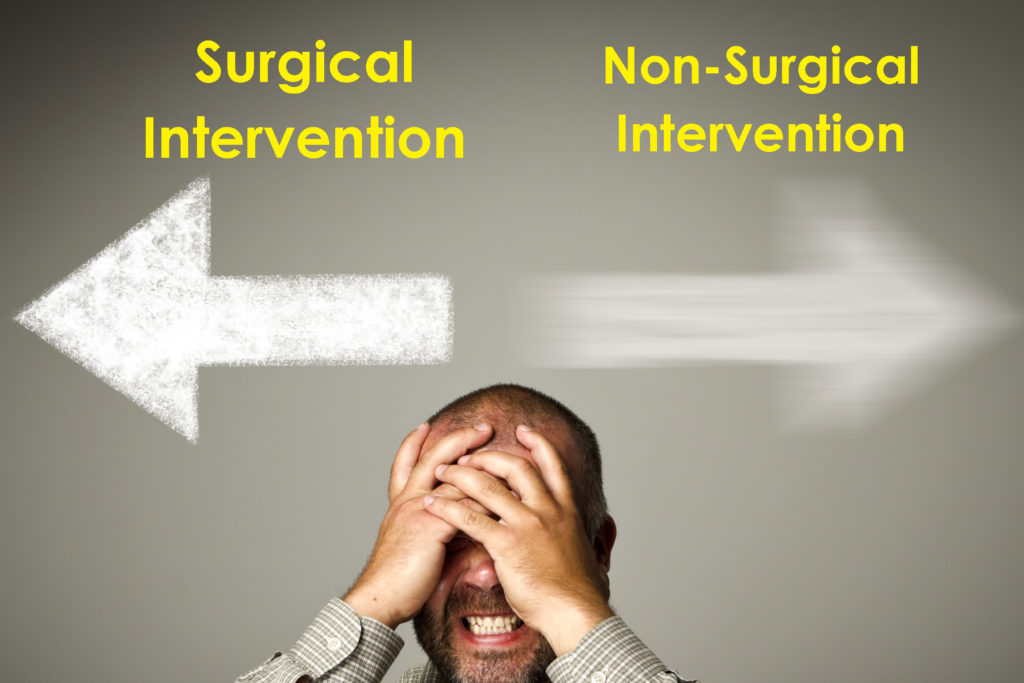
When deciding whether to proceed with irreversible intervention such as elective or discretionary orthopedic surgery it is essential to consider the biases of the surgeon, non-surgical healthcare provider, and the patient. For many orthopedic injuries especially nontraumatic or less acute musculoskeletal pain syndromes surgery can be an intervention option. For many if not most musculoskeletal…
Read MoreButt pain – Isometric Exercises

“Butt Pain.” has different tissue diagnoses. Possible diagnoses are sciatica; piriformis syndrome; gluteal tendinopathy; hamstring tendinopathy; bursitis; hip arthritis; and others. There are many treatments for butt pain. My “go-to” exercise for butt pain is isometric contractions of the gluteal muscles. In my experience rarely is trying to “stretch it out” effective treatment for butt…
Read MoreChoice of feedback for learning new movements

A common practice when addressing painful musculoskeletal pain syndromes is the symptom modification procedure. This procedure involves identifying the specific movement, posture, and/or activity that reproduces the patient’s symptoms. The symptom modification procedure alters performance. It is relatively quick as it occurs in one session. Altering performance is different than learning. An altered performance is…
Read More