Posts Tagged ‘Physical Therapy’
Stiffness – Resistance to Change: Good or Bad?
In the realm of health and fitness, the term stiffness often has a bad connotation. In reality, being stiff can have positive benefits. When something is stiff, it is difficult to change. When the range of motion of a joint is limited, it is also described as stiff. There is an optimal range of motion…
Read MoreSelfish Athlete Syndrome

Irish Runner and double Olympic medial winner Noel Carroll said “Runners may make better lovers but sometimes (there’re) lousy spouses”. Exercising for health is different from training for a marathon, Ironman Triathlon, or double-century bike ride. Exercising for health requires 3 hours a week. Training for competitive sports can require 14 plus hours a…
Read MoreMuscles and Stretching
What is known about benefits of stretching and flexibility exercises continues to evolve. Some commonly held beliefs are being supported with new research and some beliefs are being proven false. Common beliefs about stretching exercises are that stretching exercises decrease risk of injury, relieves pain associated with stiffness, and improves sports performance. Stretching exercises are…
Read MoreOsteoarthritis – Cartilage and Exercise
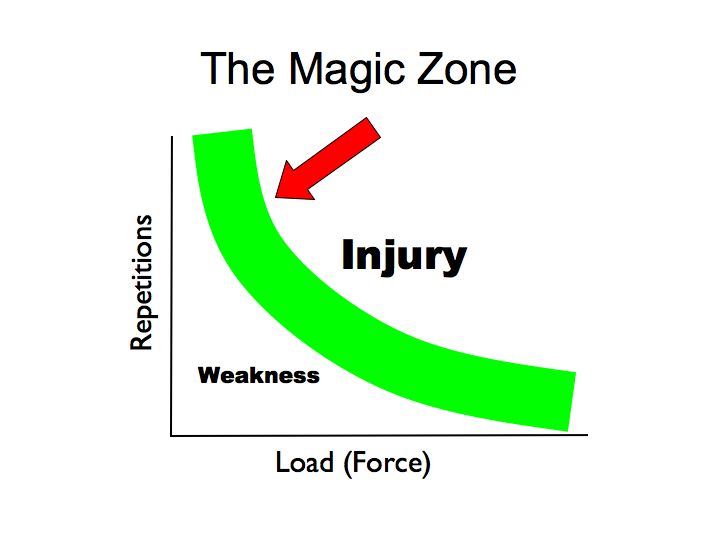
Osteoarthritis is primarily a degeneration, or wear and tear, of the hyaline cartilage that covers the end of the joint surfaces. Osteoarthritis occurs as a result of “the parents you choose” (genetic influence) or as a sequel to a prior joint trauma or injury. There is a great deal of information dealing with the…
Read MoreHamstring, Buttock, Back, Neck Pain and the Car Seat
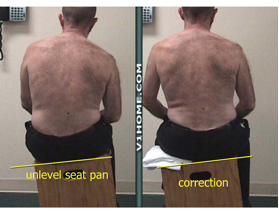
I frequently hear from my patients that their hamstring started hurting after they ran a marathon or that their back pain developed after they went body surfing at the beach. After closer questioning I discover that the problem did not occur during the marathon or while body surfing, but that it occurred afterwards during the…
Read MoreGait Analysis – Examination and Treatment of Shin Splints
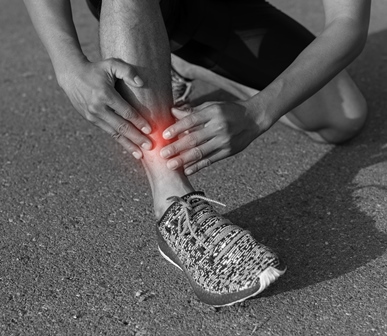
The manner in which you walk or run can be a factor contributing to a repetitive use injury of the lower extremity. Pain in the lower leg, commonly called shin splints, occurs in response to a variety of activities including dancing, jumping rope, walking, and running. Novice runners and individuals with poor fitness level frequently…
Read MoreRecovering from lower leg, ankle, heel injury using treadmill

A basic concept for treating any repetitive use injury is rest and avoiding the activity; whether it is a running injury or elbow pain from opening too many beer bottles. However for many individuals a period of rest and avoiding the activity can disrupt an active life style, and sometimes adversely affect a career. Individuals…
Read MoreAre you a half ass? – stretch weakness of gluteal muscles contributing to heel, foot, shin, knee, hip pain

There is a growing body of evidence that many repetitive use injuries such as knee pain, shin pain, heel pain, and forefoot pain can be addressed by improving the strength of the gluteal muscles. The gluteal muscles consist of gluteus maximus, gluteus medius, gluteus minimus, piriformis, and smaller less recognized muscles are commonly called “bun…
Read MoreRunners Knee versus Gas Pedal Knee – IT band syndrome
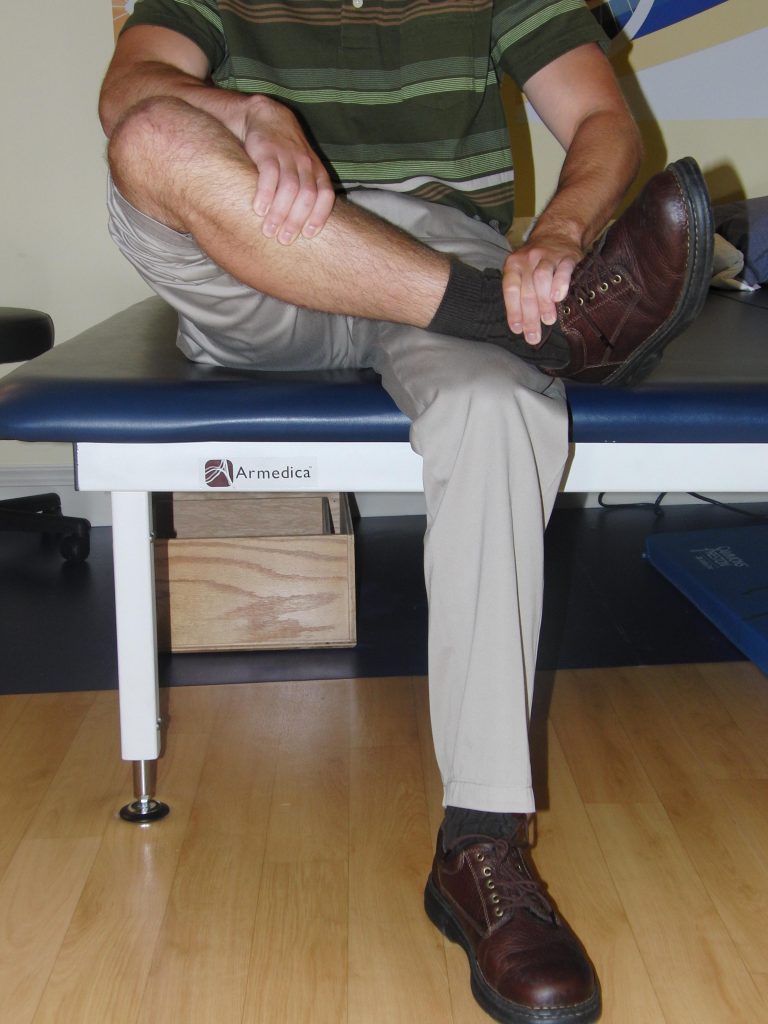
A middle-aged male adventure racer who had been struggling with right knee pain for six months sought my assistance. Adventure racing involves competing over multiple days, ultra-distance walk/running combined with other activities such as mountain biking, swimming, kayaking, and rock climbing. His knee pain was focused to the anterior lateral aspect of the right knee.…
Read MoreWithstanding the Test of Time

Hearing a song on the radio that was released when I was a teenager often reminds me of a specific bygone year. For instance, … For some popular songs it is more difficult to recognize when the song was released because the song has played throughout the decades. Marvin Gaye’s “Let’s Get it On” is…
Read More