
Posts Tagged ‘Slow Motion Video Analysis’
How to improve the quality of a selfie video to facilitate motion analysis

In a previous article, I described how sharing selfie videos with healthcare professionals can facilitate motion analysis for the management of painful musculoskeletal syndromes, injury prevention, and performance enhancement. This article describes how to improve the quality and standardize the process of capturing selfie videos to facilitate the motion analysis process. I am a healthcare…
Read MoreUsing a selfie video for motion analysis

A selfie video can enhance motion analysis for the diagnosis and intervention of painful musculoskeletal injury, for injury prevention, and for enhancing movement performance. A selfie video is a video recording that you take of yourself, also called a velifie A selfie video can: Provide opportunities for reflective self-learning. Provide visual data regarding comparing…
Read MoreDiagnostic imaging pros & cons – be careful what you ask for

There are many reasons to request a diagnostic image such as a radiograph (X-ray), MRI, sonogram (ultrasound), and CT scan. They are to diagnosis a pathology/trauma; determine treatment options; screen for contraindications; biomechanical analysis; provide reassurance; medical legal reasons; and financial gain for the healthcare provider. Requests for diagnostic imaging must come from a licensed…
Read MorePuny Calf Muscles Syndrome
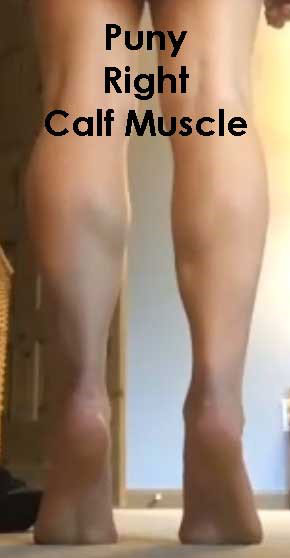
It is time to replace the common belief that stretching exercises should occur before exercise or sporting activity with a newer concept that strengthening exercises for the calf muscles should occur before exercise or sporting activities. During warm up for exercise & sporting activity make a conscious effort to walk with spring in your step. Reactivating & reversing puny calf muscles can prevent injury, increase athletic performance, forestall old person shuffle, & look better.
Read MoreUsing slow-motion video for continuing education & professional development of healthcare provider

If a picture is worth a thousand words what is a slow-motion video worth? A video image of movement can facilitate our innate skill of curiosity the need or desire to know and learn. Physical therapists are movement specialists who observe human movement, analyze it, and develop plans to manage movement system impairment syndromes.…
Read MoreSide Effects Occur During Gait Training
A side effect is a secondary effect, typically undesirable effect of a drug or medical intervention. Any intervention that can produce a therapeutic effect can also produce side effects or adverse effects. The current standard of practice is to provide informed consent before beginning evaluation and treatment. Informed consent includes identifying the benefits and…
Read MoreClinical Predictive Rules for Management of Plantar Heel Pain

Medical professionals rely on clinical practice guidelines to have better outcomes, lower utilization of care, and lower costs. These guidelines have limited value since they often fail to keep up with new research findings or recently available diagnostic or therapeutic interventions. For example: clinical practice guidelines are available for plantar heel pain (plantar fasciitis) from…
Read MoreMountain Athlete: 2-Dimensional Video Slow-Motion Analysis
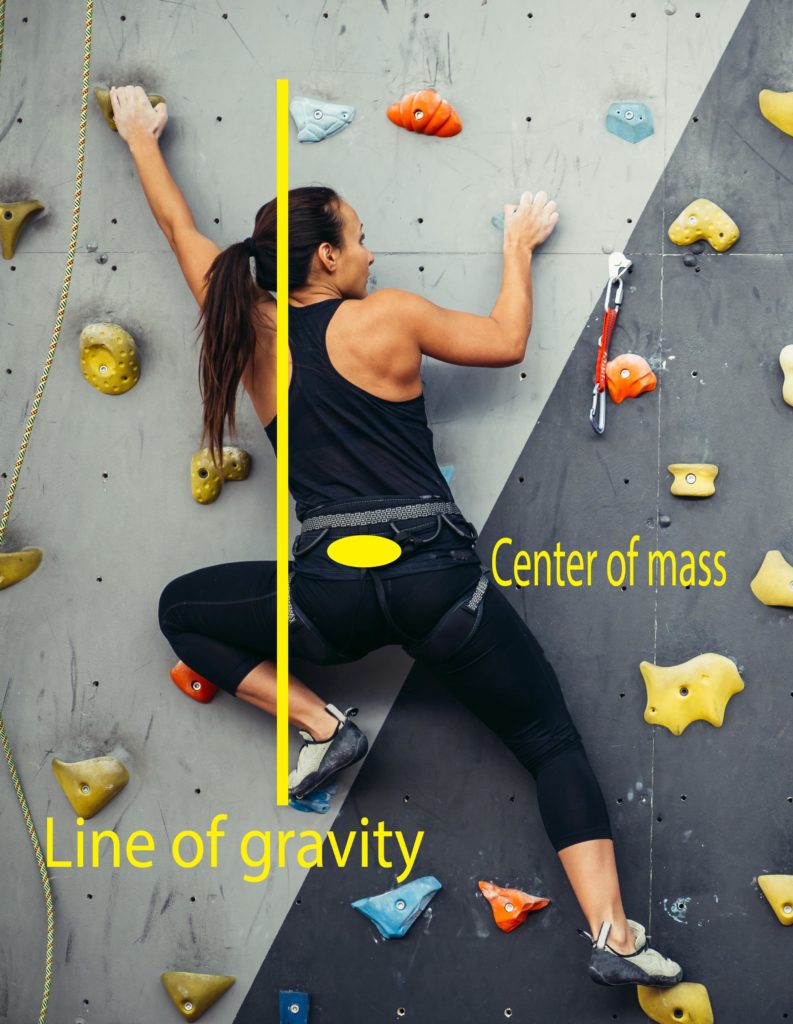
I have been asked to present a continuing education webinar to members of the National Strength and Conditioning Association. The theme of the program is Human Performance the “Mountain Athlete” What is a “Mountain Athlete”? Athletic activities that occur in the mountains are skiing, climbing, Spartan racing, adventure racing, trekking, adventure racing, mountain biking, and…
Read More