Posts by Damien Howell
Knee Pain Wringing Out – Gait Deviation
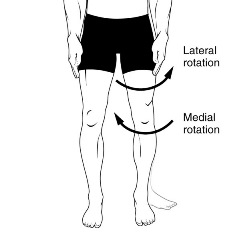
Knee pain can develop because of a “wringing out”. I am not referring to banging a bell ring, but the counter-rotation motion that can occur at the knee joint. The knee joint consisting of the thigh and lower leg moves on three different planes of motion. The knee can flex and extend. The knee can…
Read MoreBack Pain Dilemma – Keep on Walking

Walking is commonly recommended by many medical professional associations for management of back pain. Walking is purported to be beneficial counteracting the potential deleterious effects of bed rest, maintaining functional abilities, stimulating use of spinal core muscles, keeping the general benefits of aerobic exercise, and providing pain reduction effects. Pain Walking can provide relief to…
Read MoreDeviant Gait – Compensation

Compensation is necessary when there is injury or a necessity of making up for something unwelcome or unpleasant. Compensation can be perceived as a negative or positive situation. With injury the dichotomy is will there be recovery or compensation? Salamanders are fascinating animals that are capable of regenerating lost limbs, as well as other…
Read MoreBody Proportions – Musculoskeletal Pain – Sports Performance
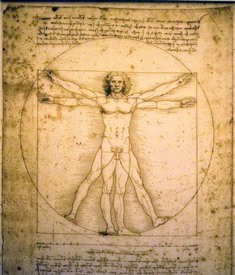
The importance of knowing how tall we are is somewhat obvious. What is less obvious is the importance of knowing the proportionality of our vertical height. The ideal proportionality of a human body’s stature was defined by Leonardo da Vinci. The “Vitruvian Man” or “drawing of proportions of man” is the ideal human proportions…
Read MoreAging Muscles & Tendons: Achilles/Calf Strain
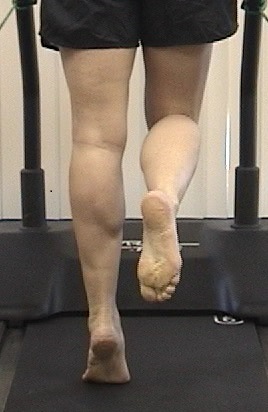
As we age muscles and tendons will change. Calf muscles in older individuals are weaker, smaller, shorter, less stiff, and not as coordinated. Older athletes may experience greater incidence of injuries (Tauton 2003, McKean 2006). Two most common repetitive use injuries in older runners are Achilles tendonopathy and strained calf muscle (Marti 1988). A…
Read MoreGait Analysis – Gait Training for Achilles Tendon Pain
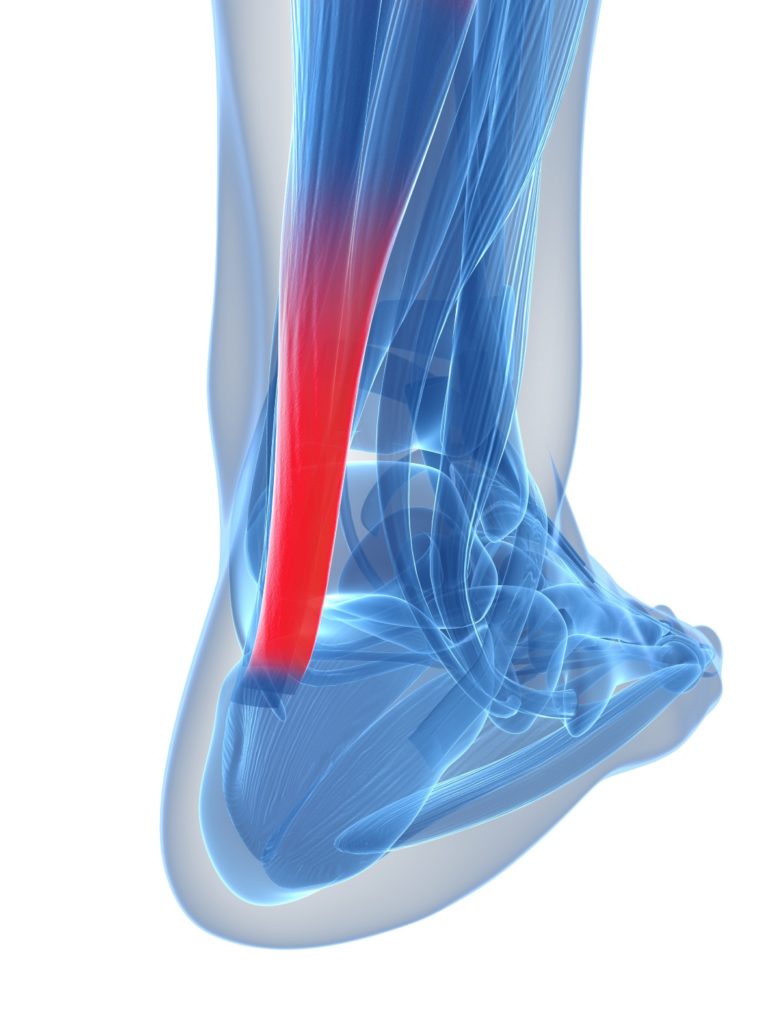
The manner you walk or run can be one of the contributing factors to the development of Achilles tendon problems. If you are experiencing pain in the Achilles when walking or running working with your Physical Therapists and using slow motion video analysis the following model can provide a beginning point to solve the problem.…
Read MoreStrengthening Exercises for Intrinsic Foot Muscles
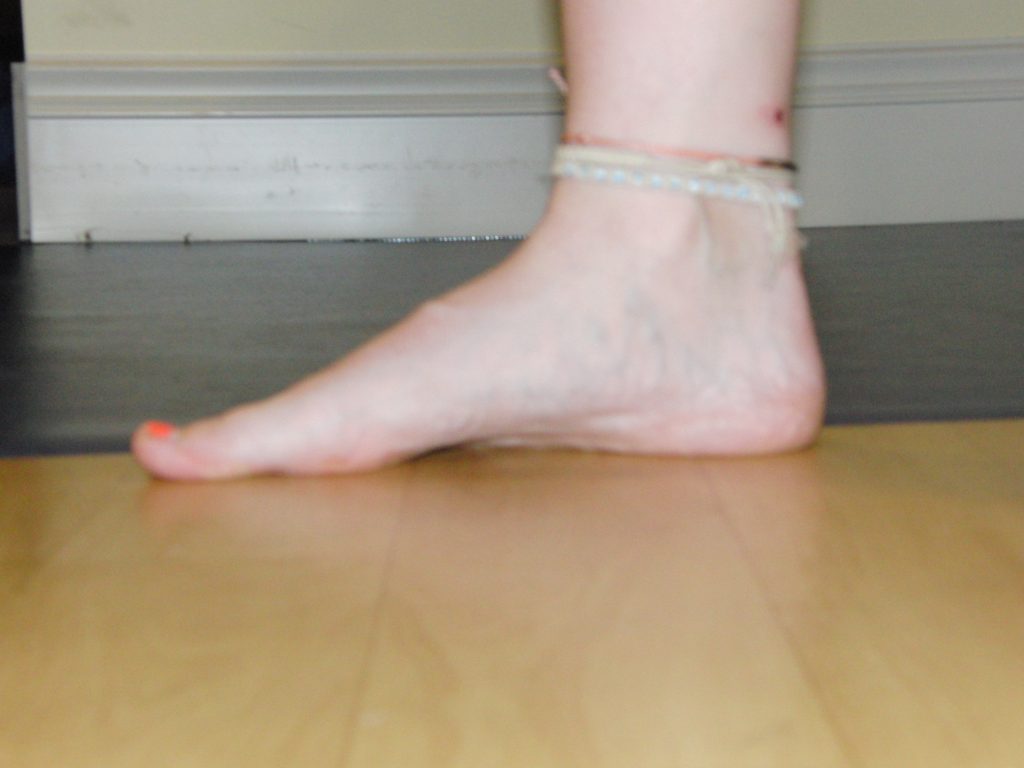
Exercises to strengthen the foot are frequently used to treat injuries to foot, ankle, knee, hip and low back. Toe curl or toe scrunching exercises is not appropriate for strengthening the muscles intrinsic to the feet. Muscles about the foot and ankle are described as either extrinsic muscles or intrinsic muscles. Extrinsic foot muscles have…
Read MoreOsteoarthritis – Bad News More Than Good News
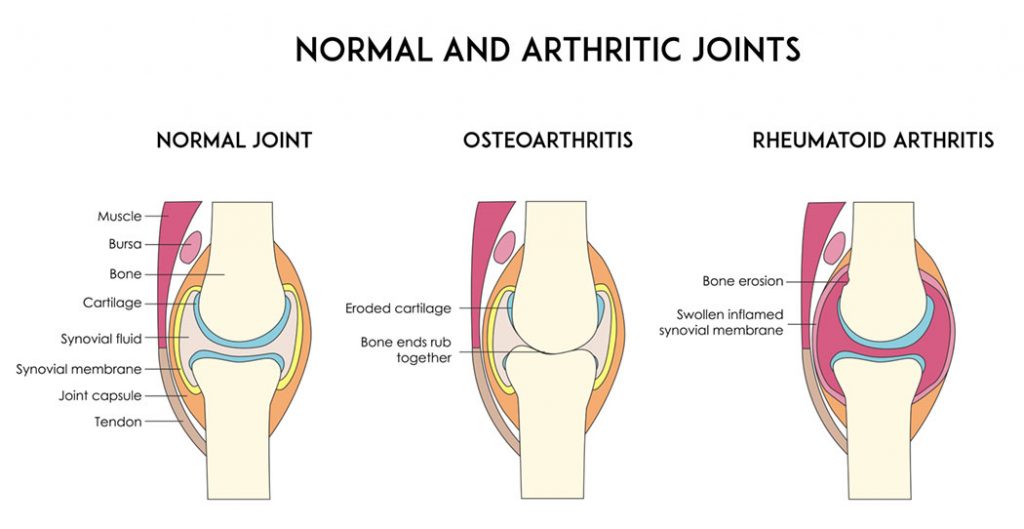
Osteoarthritis occurs in a joint when there is more degeneration of the joint cartilage than regeneration of the joint cartilage. Cartilage is a soft tissue on the ends of bones. Cartilage provides a smooth surface to allow free movement of joint, provides a cushioning, and for joint stability. Cartilage tissue is poorly designed for repair…
Read MoreStiffness – Resistance to Change: Good or Bad?
In the realm of health and fitness, the term stiffness often has a bad connotation. In reality, being stiff can have positive benefits. When something is stiff, it is difficult to change. When the range of motion of a joint is limited, it is also described as stiff. There is an optimal range of motion…
Read MoreSelfish Athlete Syndrome
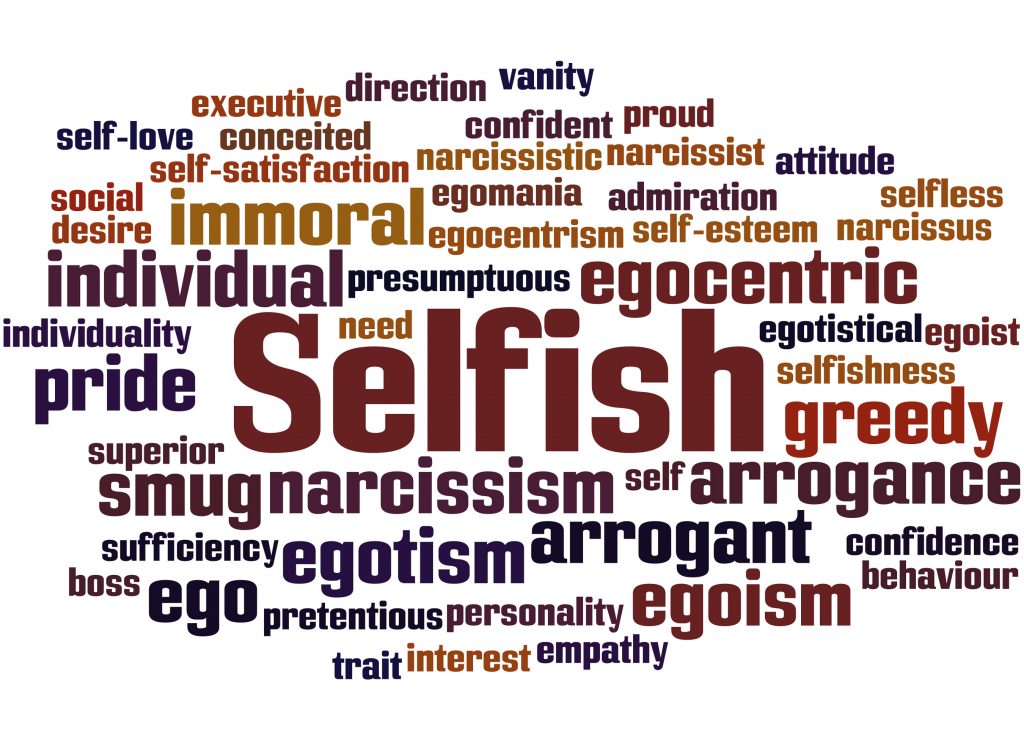
Irish Runner and double Olympic medial winner Noel Carroll said “Runners may make better lovers but sometimes (there’re) lousy spouses”. Exercising for health is different from training for a marathon, Ironman Triathlon, or double-century bike ride. Exercising for health requires 3 hours a week. Training for competitive sports can require 14 plus hours a…
Read More