Spine
How Horizontal Body Proportions “Inverted Triangle” Can Relate to Back Pain
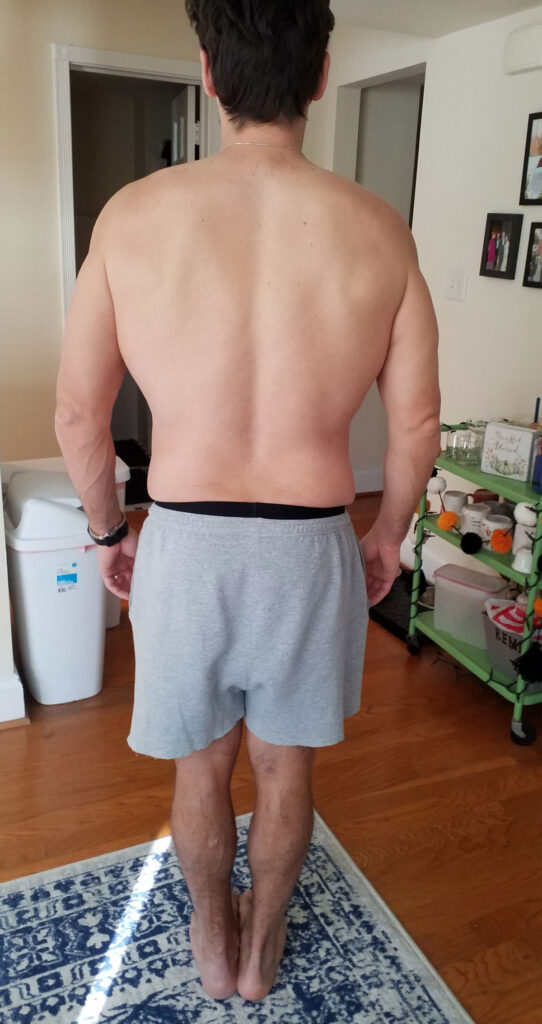
A current patient with recalcitrant back pain is challenging me to look for innovative strategies for treatment. This 29-year-old male has a 3-year history of low back pain. The pain occurs daily, with an average intensity of 3 out of 10. The symptoms are worse with prolonged sitting. Worse on days that he is more…
Read MoreEscaping the Drama Triangle: Practical Tactics for Direct Dialogue Between Physical Therapists & Surgeons.

Earlier in my Physical Therapy career, I joined a pain management team at a teaching hospital. Team members included an Anesthesiologist, Primary Care Provider, Physical Therapist, Psychologist, and others. We held team meetings to discuss chronic pain patients. Few would dispute that face-to-face real-time communication was a particularly effective way to provide care. Unfortunately, the…
Read MoreHip-Spine vs Spine-Hip vs Both – 3 Case Examples Lessons Learned
An 80-year-young woman visited her primary care physician with “pain going down my leg”. She had difficulty grocery shopping, picking up her small dog. X-rays showed osteoarthritis in her lumbar spine, and she was diagnosed with “sciatica.” The doctor referred her to a spine surgeon, who ordered an MRI and gave her an x-ray-guided spinal…
Read MoreUnderstanding Delayed-Onset Exercise-Induced Pain in Individuals with Chronic Pain Syndromes
Introduction Two patients with chronic musculoskeletal pain and Ehlers-Danlos Syndrome (EDS) recently demonstrated similar but unexpected responses to routine exercise interventions. Their experiences prompted me to reexamine my understanding of exercise-induced pain in individuals with chronic musculoskeletal conditions. Patient Case Studies Patient A: During a physical therapy session, a patient with EDS performed a spinal…
Read MoreAdjusting the exercise load to manage musculoskeletal pain syndrome
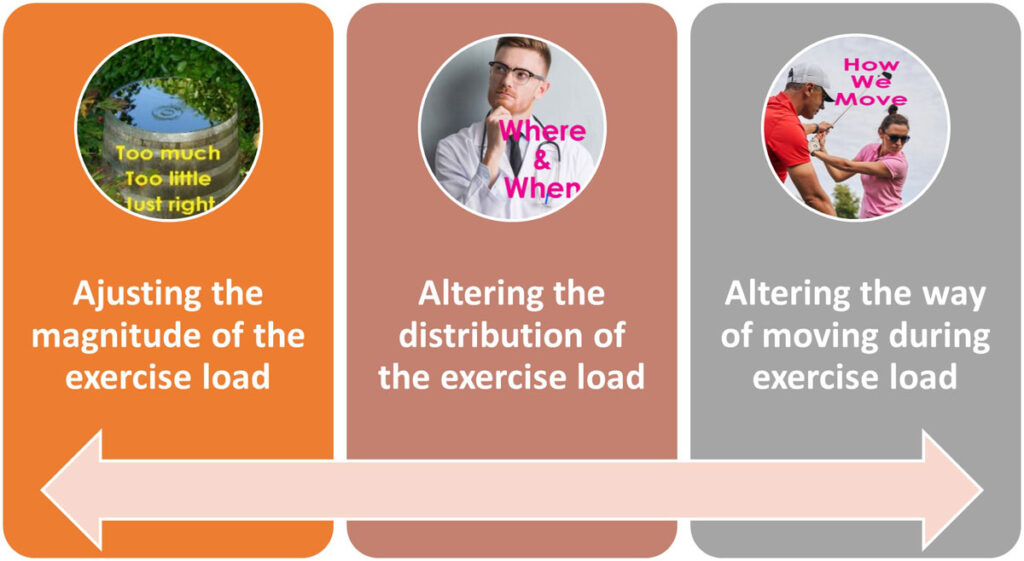
Adjusting the amount of exercise load involves seeking a balance between increasing or decreasing the load. Athletes and healthy individuals the bias is towards increasing the load to improve capacity and performance. For musculoskeletal injuries, post-orthopedic surgery, or musculoskeletal pain syndromes, the bias is towards decreasing the load to facilitate healing and recovery. Tactics to…
Read MoreHow does the natural progression of osteoarthritis influence the management of osteoarthritic flares?

Case Example: Over the last year, on several occasions, a patient has sought assistance for recurring flaring neck pain. Radiographs show moderate osteoarthritic (OA) changes in the cervical spine. A history of mild to moderate scoliosis of the spine has existed since childhood. Over the years, the neck pain has alternated from long periods of…
Read MoreOrthopedic surgery is not always necessary – coper vs non-coper
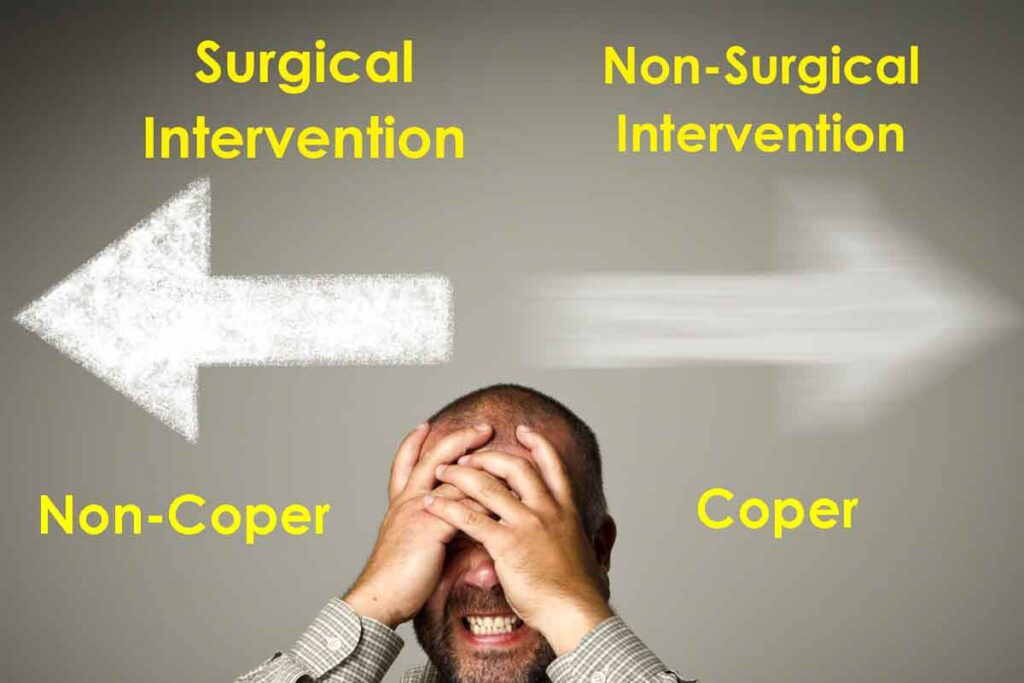
A diagnostic image such as an MRI can show significant structural damage such as a complete tear of the anterior cruciate ligament (ACL), a complete tear of the rotator cuff of the shoulder, a herniated spinal disc, or other musculoskeletal tissue damage. In 1983 Frank Noyes and colleagues in a seminal study of patients without…
Read MoreDeviant movement resulting in pain – Excessive Toe Out Gait
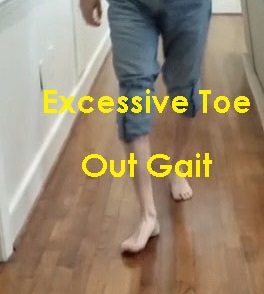
Asymmetrical movements walking or running are considered deviant or less than optimal movements. The individual in the video below is complaining of musculoskeletal pain in the left lower extremity. What do you see? Do you see the asymmetrical movement? Do you see the right foot is pointing straight ahead, and the left foot is not…
Read MoreUnderstanding the Nuances of Disease, Syndrome, & Uncertainty in Musculoskeletal Pain

Disease is a particular abnormal condition that adversely affects the structure or function of all or part of an organism and is not immediately due to an external injury. Syndrome is a group of symptoms that consistently occur together or a condition characterized by a set of associated symptoms. While disease and syndrome both involve…
Read MorePath of least resistance is not always the best option – sometimes it is better to have some stiffness
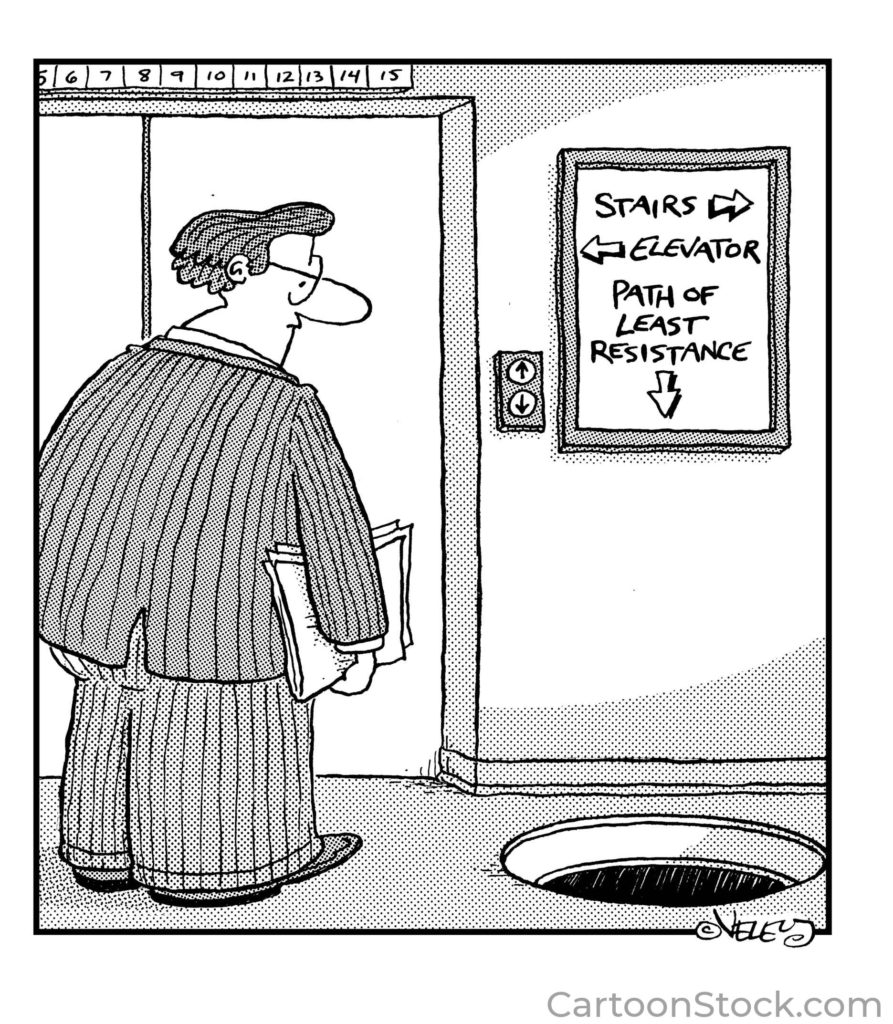
There are three possible relationships between movement and musculoskeletal pain syndromes. There is either too much movement, not enough movement, or an optimal amount of movement. When a muscle tendon unit and/or joint is flexible, hypermobile, or unstable there is too much movement. When a muscle tendon unit and/or joint is stiff or hypomobile there…
Read More