
Posts Tagged ‘Hip’
Lateral Pelvic Tilt Sitting
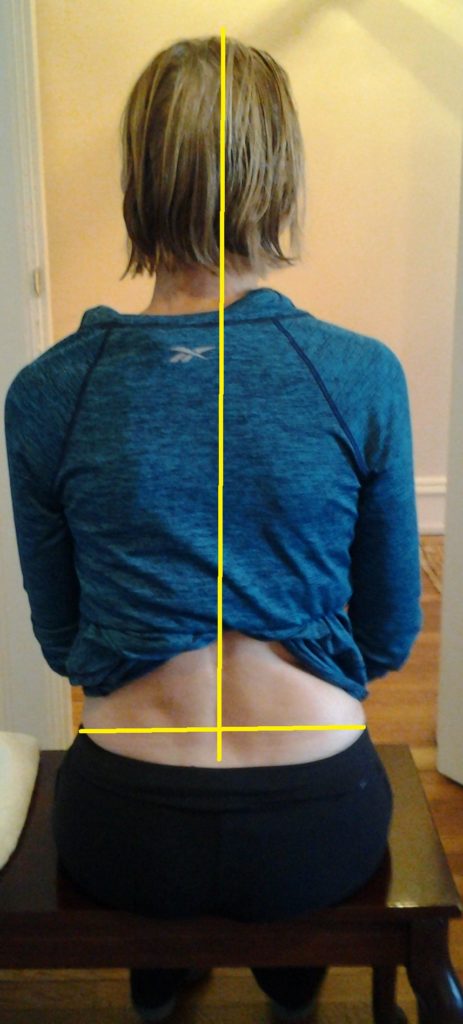
When oriented normally, the pelvis appears level and symmetrical. But in individuals with a lateral pelvic tilt (also called pelvic obliquity), one side of the pelvis appears lower than the other side. Lateral pelvic tilt can both cause and compensation to avoid musculoskeletal pain. It can be a contributing factor to jaw pain, headaches, shoulder,…
Read MoreMusing on Empathy and Pain

Empathy is more than compassion and caring. Empathy is putting oneself in another person’s shoes and actually feeling what that person feels. Recently, I experienced a flare of rheumatoid arthritis with significant disabling hip pain. Deep in misery, I searched for the positive side of my suffering. I thought: “This means I will have more…
Read MoreIT Band Syndrome – Controversy Regarding Stretching Exercise
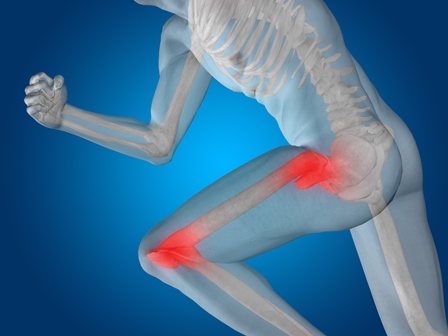
The Iliotibial (IT) Band is a tendon on the lateral aspect of the hip/thigh/knee. It is a large, wide, thick tendon. A tendon is a structure that attaches muscle to bone. IT band syndrome is a typical injury occurring in runners. A commonly recommended treatment for IT band syndrome is stretching exercise. Searching Google for…
Read MoreHip Pain: Gluteal Tendon Problems Postures & Positions to Avoid
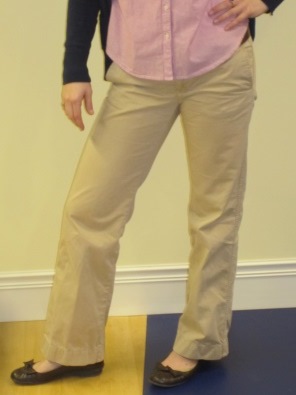
Tendon problems are a common diagnosis at Achilles, knee (patellar tendon), shoulder (rotator cuff), and elbow (tennis elbow) pain. Interestingly though, pain on the side of the hip is commonly thought to be an inflammation of bursa. Recent investigation has shown that pain on the side of the hip commonly thought to be trochanteric bursitis,…
Read MoreShock – Injury – Cadence – Quiet

How hard a walker or runner impacts the ground can be described with several biomechanical terms, including vertical impact loading rate, braking impulse force, and shock. Scientists have determined it is not the magnitude of force, but the rate at which the force is transmitted from the ground to the foot and leg that is…
Read More